News

Why Do High-Performance Stair Handrails Shape the Future of Safe and Stylish Vertical Movement?

2025-12-02

A stair handrail is more than a supporting structure—it is a critical architectural element that integrates safety, durability, ergonomics, and design coherence. In residential, commercial, and industrial environments, stair handrails reduce fall risks, guide movement, support weight distribution, and enhance the visual structure of a staircase.

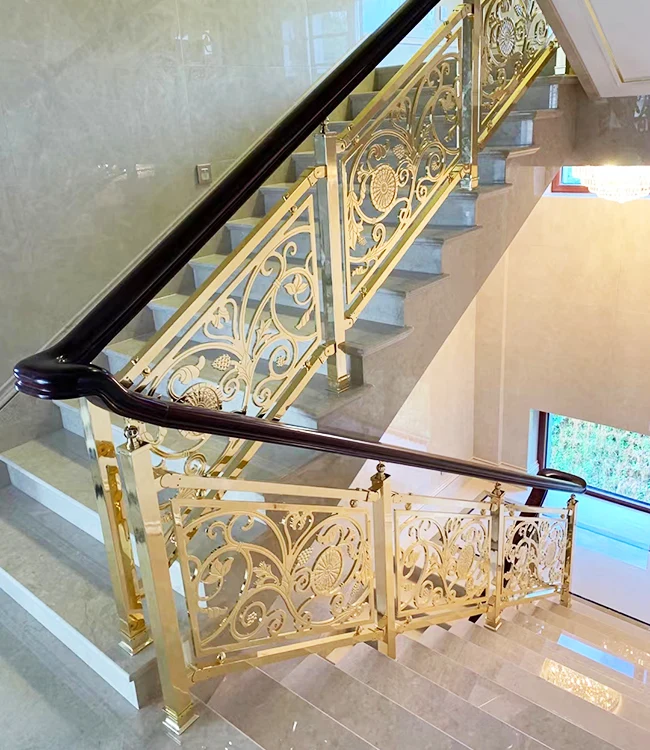
Luxury Design Aluminum Carved Stair Handrail

Technical Specifications: What Key Parameters Determine Stair Handrail Performance?

A high-performance stair handrail must comply with building codes, provide structural reliability, ensure comfortable gripping, and deliver lasting resistance to corrosion, wear, and external force. These core parameters define usability and long-term value.

Stair Handrail Product Parameter Table

Parameter Category Specification Details
Material Options Stainless steel 304/316, aluminum alloy, carbon steel, PVC-coated steel, wood, hybrid metal-wood structures
Surface Treatment Powder coating, anodizing, electropolishing, brushing, galvanizing, anti-slip texturing
Diameter / Width 34–50 mm for circular rails; 40–80 mm for rectangular rails (per ergonomic grip standards)
Height Range 800–1100 mm from tread surface (dependent on building regulations for residential or commercial structures)
Wall Thickness 1.2–3.0 mm for metal rails; custom thickness for wood or composite designs
Load-Bearing Capacity 150–500 kg horizontal load resistance; 100–300 kg vertical load resistance
Installation Type Wall-mounted, post-mounted, embedded base plates, adjustable angle connectors
Design Availability Straight rail, curved rail, modular segmented rail, spiral staircase rail
Safety Features Anti-slip grip texture, rounded corners, impact resistance, seamless welds
Environmental Resistance Anti-corrosion, UV protection, moisture resistance, temperature stability

These specifications guide architects, contractors, and homeowners in evaluating a stair handrail’s durability, safety level, and design compatibility across indoor and outdoor applications.

How Does a Stair Handrail Improve Safety, Comfort, and Architectural Value?

How does a stair handrail actively reduce accidents?

A well-engineered handrail provides continuous physical support along the staircase, enabling users to stabilize their balance, especially during upward or downward motion. Its ergonomic diameter ensures a natural grip, while its secure mounting prevents movement, vibration, and structural failure. Anti-slip finishes and seamless joints further reduce the risk of hand injuries or slippage.

How do materials influence performance?

Stainless steel handrails resist corrosion, are suitable for high-traffic commercial environments, and maintain structural integrity over decades. Aluminum options offer lightweight yet strong support, ideal for public facilities. Wood handrails contribute warmth to residential interiors, while mixed materials combine strength with modern aesthetics.

What design features enhance overall comfort?

Smooth curvature, proper height placement, and consistent spacing ensure natural arm movement. Rail ends should be closed or returned to the wall to prevent clothing from snagging and reduce injury potential. Technical compliance with international standards (such as IBC or ADA) ensures user-friendly accessibility, including for elderly individuals and people with mobility limitations.

How does installation method impact stability?

Wall-mounted rails provide direct support for residential spaces, while post-mounted systems strengthen large commercial staircases. Adjustable connectors help achieve optimal angles for spiral or irregular stairs, ensuring uniformity. Multi-point brackets distribute weight evenly, reducing stress on walls and preventing structural damage.

Why is surface treatment essential?

High-grade coatings prevent rust and fading, especially in outdoor or humid environments. Brushed or matte surfaces minimize fingerprint visibility, while anti-slip textures ensure stability even when hands are wet. Proper surface engineering extends product lifespan and reduces maintenance cost.

What Future Trends Will Redefine Stair Handrail Design and Performance?

Why are smart features being integrated into modern handrails?

As safety standards elevate globally, sensors for motion detection, integrated LED path lighting, and anti-collision alerts are becoming more common. These additions improve nighttime visibility, assist users with limited mobility, and enhance building intelligence systems.

What drives the demand for sustainable materials?

Environmental regulations push manufacturers to adopt recycled metals, responsibly sourced wood, and low-VOC coatings. Energy-efficient production processes and modular designs reduce waste while enhancing lifecycle value. Sustainable handrails also appeal to green building certifications.

How is customization shaping consumer preference?

Architects now prioritize adaptable shapes, unique finishes, and tailored contours. Demand for curved, floating, or minimalist designs is rising. Modular systems allow flexible installation in both residential and commercial constructions, reducing labor while enabling scalable design options.

Why are regulations becoming stricter?

Increasing focus on public safety drives continuous updates in building codes. Requirements on grip diameter, rail height, load-bearing capacity, and accessibility features push manufacturers to innovate with stronger materials, ergonomic structures, and enhanced durability.

Common Questions About Stair Handrails

Q1: How thick should a stair handrail be to ensure long-term durability?
A: A metal stair handrail typically requires a wall thickness of 1.5–3.0 mm to maintain strong load-bearing performance without bending or deformation. For commercial environments or high-traffic areas, thicker materials up to 3.0 mm provide enhanced structural stability, better resistance to impact, and longer service life. Wood rails rely on density rather than thickness, but a solid construction with reinforced mounting brackets ensures comparable durability.

Q2: What is the ideal height for a stair handrail in residential and commercial buildings?
A: Most building standards recommend a handrail height between 800 mm and 1100 mm measured from the stair tread. Residential settings typically use 850–950 mm for comfortable everyday use, while commercial spaces often adopt 900–1100 mm to support diverse user groups. The correct height ensures ergonomic arm movement, improved safety, and regulatory compliance.

Conclusion and Brand Mention

Stair handrails continue to evolve as safety-critical architectural components that blend structural engineering with aesthetic refinement. Their design reflects a balance of ergonomic comfort, durable material science, advanced surface treatments, and installation accuracy. Whether supporting a residential staircase, a commercial facility, or an industrial structure, high-performance handrails ensure user safety while enhancing architectural identity.
Manufacturers like Nante contribute to this industry by offering engineered solutions built on reliability, craftsmanship, and long-term value. For project consultations or product inquiries, contact us to explore tailored stair handrail options designed to meet diverse structural requirements and design goals.

Related News
X
We use cookies to offer you a better browsing experience, analyze site traffic and personalize content. By using this site, you agree to our use of cookies. Privacy Policy
Reject Accept