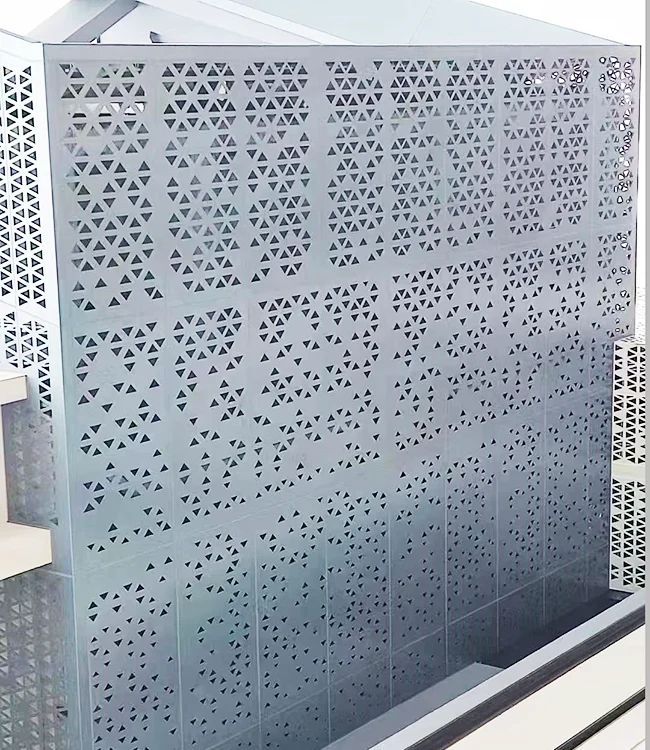
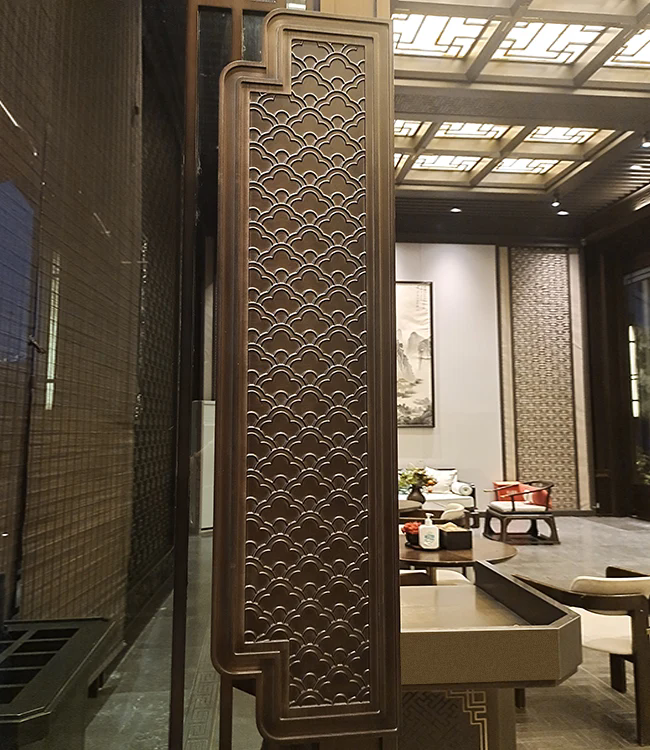
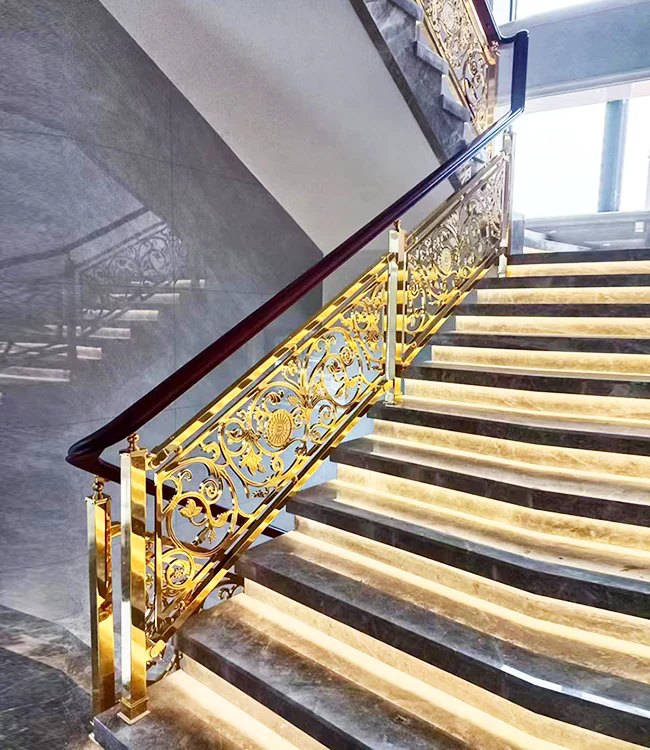
Separate screens have become a pivotal architectural and operational solution across commercial environments, manufacturing floors, offices, retail spaces, and public facilities. Designed to divide, protect, or visually isolate work areas, a separate screen enhances spatial clarity, workflow control, and safety compliance.
A separate screen is a modular physical barrier engineered to create independent zones within a shared space. It allows businesses to manage privacy, airflow, visibility, and contamination risk while maintaining adaptable layouts. Whether installed in factories for equipment isolation, in offices for reducing distractions, or in healthcare facilities for hygiene management, a separate screen contributes to enhanced efficiency and compliance with operational safety standards.
Below is a structured parameter reference commonly adopted for industrial and commercial-grade separate screens:
| Parameter Category | Specification Details |
|---|---|
| Material Options | Powder-coated steel, tempered glass, aluminum alloy, polycarbonate panel, acrylic shield |
| Frame Construction | Reinforced tubular steel frame / high-strength aluminum frame |
| Panel Thickness | 3–10 mm depending on application |
| Dimensions | Width: 600–1500 mm per panel; Height: 1500–2000 mm |
| Mounting Options | Fixed base, mobile castor wheels, suspended installation |
| Surface Treatment | Anti-scratch coating, UV-resistant film, anti-static finish |
| Visibility Type | Clear transparency / partial privacy / full privacy |
| Noise Reduction | 15–28 dB depending on material |
| Cleaning Compatibility | Resistant to alcohol, chlorine-based, and standard disinfectant wipes |
| Customization | Color, panel opacity, branding print, size, and edge profile |
| Safety Compliance | ANSI, OSHA space-dividing standards; flame-retardant panel options available |
These parameters ensure accurate selection across industries with varied operational requirements.
Separate screens enable segmenting large areas into functional zones without permanent construction. This supports:
Flexible workspace arrangement
Optimized traffic flow
Improved privacy and workflow organization
Industries with rapidly changing operational demands benefit from the adaptability offered by mobile or modular screen designs.
When used in manufacturing or laboratory settings, separate screens:
Prevent cross-contamination
Shield workers from debris or sparks
Comply with safety codes through flame-resistant and anti-static materials
In environments such as clinics or customer-facing locations, they help create hygienic divisions that reduce exposure and enhance sanitation.
Acoustic-friendly materials reduce ambient noise and create focus zones. Frosted or tinted panels block visual distractions—an essential feature for open office designs.
Compared to renovating walls or installing fixed partitions, a separate screen offers:
Lower upfront cost
Minimal installation downtime
Reusability across new layouts
This makes it highly practical for businesses undergoing constant changes.
A high-grade screen must withstand heavy usage. Powder-coated steel frames prevent corrosion, while tempered glass or reinforced polycarbonate panels resist impact, ensuring long life.
Screens equipped with lockable wheels offer quick rearrangement. Fixed-base variants provide stability for industrial settings.
Each industry requires different visibility levels:
Fully transparent for supervision
Semi-transparent for privacy
Opaque for light control
The flexibility allows optimal alignment with workplace requirements.
Smooth, chemical-resistant surfaces enable frequent cleaning without degradation—essential in hygiene-sensitive workplaces.
Whether placed in banks, office lobbies, or educational institutions, separate screens integrate seamlessly with contemporary layouts while adding structural rhythm.
Separate screens isolate machinery areas to:
Reduce noise
Prevent spark exposure
Improve operator safety
They significantly enhance workplace compliance with industry safety protocols.
Screens separate meeting areas, individual workstations, and collaborative zones, supporting both privacy and organizational structure.
Hygienic-grade screens are essential for:
Patient isolation
Consultation privacy
Sterile zone creation
Smooth surfaces enable disinfection, supporting infection-control measures.
Shops, banks, airports, and service centers use screens to:
Direct customer flow
Offer privacy at counters
Enhance aesthetic harmony
Their presence contributes to orderly and professional spatial design.
Screens help define exam rooms, training areas, and student service counters, allowing institutions to manage crowd flow and introduce multifunctional layouts.
Screens may incorporate:
Smart glass for adjustable transparency
LED indicators for operational cues
Sensors for environmental monitoring
These features are expected to support Industry 4.0 and digitalized office ecosystems.
More manufacturers are shifting toward:
Recyclable aluminum
Eco-friendly coatings
Low-VOC materials
Sustainability is increasingly valued by modern organizations.
Future screens will focus on tool-free assembly, enabling rapid extension or reconfiguration with minimal downtime.
Advanced materials will combine soundproofing, glare reduction, and light diffusion—allowing screens to function as environmental optimization tools.
A separate screen creates structured pathways and divides functional zones, allowing employees and customers to navigate spaces more efficiently. In production areas, it helps isolate loud or hazardous machinery, leading to smoother coordination among teams. In offices, it minimizes interruption by providing visual barriers and acoustic buffering. The resulting layout improves focus, reduces conflict in shared spaces, and increases overall productivity, especially when modular screens allow rapid reconfiguration.
Durability depends heavily on material quality, frame engineering, and construction standards. Powder-coated metal frames resist oxidation, while tempered glass or reinforced polycarbonate provides high impact resistance. Panel thickness also affects structural performance. Screens featuring UV resistance, anti-scratch coatings, and flame-retardant properties offer additional longevity. Selecting a product compliant with safety and hygiene standards ensures that it delivers long-term stability, reducing replacement and maintenance costs.
Separate screens continue to evolve as essential components in modern workspaces. Their role in improving safety, privacy, mobility, and environmental comfort has made them indispensable across industries ranging from manufacturing to healthcare. As sustainability and smart solutions become more prominent, future screens will integrate improved materials, modularity, and digital compatibility, offering businesses greater control over their environments.
For organizations seeking a durable, functional, and well-engineered solution, Nante provides high-quality separate screens designed for long-term value and performance. Each product is crafted with precision, offering tailored configurations to meet the demands of modern facilities.
To explore tailored solutions for your application needs, contact us to receive expert guidance and professional assistance.