Choosing a Staircase Railing sounds simple until the quotes arrive, the measurements feel confusing, and you realize “looks good” isn’t enough—you need stability, comfort, and a finish that survives daily life. This guide breaks the decision into clear, practical steps: what problems homeowners and project teams commonly run into, how to compare materials and layouts, what to ask before you buy, and how to avoid the painful mistakes that cause wobble, rust, delays, or rework. You’ll also get a planning checklist, a comparison table, and FAQs you can share with your contractor or supplier.
People rarely replace a Staircase Railing because they woke up craving a new handrail profile. It’s usually one of these pain points—so start here, because your “best option” depends on what you’re trying to prevent:
A great Staircase Railing is a quiet performer: it feels solid, looks intentional, and stays easy to live with. To judge quality quickly, focus on these practical signals:
1) Stability you can feel
The railing should resist side-to-side movement. Solid anchoring, appropriate post spacing, and correct hardware matter more than decorative details.
2) A handrail that’s comfortable
The profile should fit your grip naturally—especially important for households with kids, seniors, or frequent stair use.
Comfort is “invisible” until it’s wrong.
3) A finish that matches the environment
Indoor dry areas can handle more variety. Outdoor stairs and coastal zones demand smarter corrosion protection and compatible fasteners.
4) Clean lines, clean joints
Good fabrication shows in consistent welds (or clean mechanical joints), aligned panels, and tidy transitions at corners and turns.
5) Fit with local requirements
Different regions set rules for height, spacing, and safety details. The point is simple: choose a design that can be configured to comply where you build.
Material choice decides how your Staircase Railing ages. If you pick the wrong one, you’ll pay in either maintenance or replacement. Use this table as a shortcut.
| Material | Best For | Strengths | Watch-Outs | Typical Care |
|---|---|---|---|---|
| Stainless Steel | Modern homes, commercial stairs, indoor/outdoor | Clean look, strong, good corrosion resistance with the right grade and finish | Fingerprints on high-polish; wrong grade/fasteners can cause staining in harsh environments | Wipe-down; occasional deeper clean depending on exposure |
| Aluminum | Outdoor projects, lightweight installs, budget-sensitive builds | Lightweight, corrosion resistant, many powder-coat options | Can feel less “dense” than steel; coatings can scratch if abused | Soap-and-water cleaning; touch-up chips promptly |
| Wrought Iron / Steel | Classic style, decorative balusters, strong visual presence | Rigid feel, traditional design flexibility | Needs good coating; can rust if finish fails outdoors | Inspect coatings; repaint/repair as needed |
| Glass (with metal frame) | Open, bright stairwells; premium interiors | Max visibility, clean modern look | Shows smudges; hardware alignment must be precise | Regular glass cleaning; check hardware tightness |
| Wood (handrail, sometimes posts) | Warm interiors, traditional homes | Comfortable touch, classic feel | Can dent/scratch; not ideal for wet exposure without protection | Periodic refinishing depending on wear |
Style is not just decoration—your Staircase Railing shape changes how people move, how the space feels, and how much cleaning you’ll do. Here are practical style decisions that map to real-life needs:
Minimal vertical balusters
Great for: clean aesthetics, easy compliance in many regions, less “climbable” than horizontal elements.
Consider if: you want a straightforward solution that blends into modern or transitional interiors.
Horizontal rails or cables
Great for: contemporary looks and wide sightlines.
Consider if: your household doesn’t worry about climbing risks, and you’re okay with slightly more detailing during install and upkeep.
Glass panels
Great for: making tight stairwells feel larger and brighter.
Consider if: you’re prepared for regular wipe-downs and you want a premium “architectural” vibe.
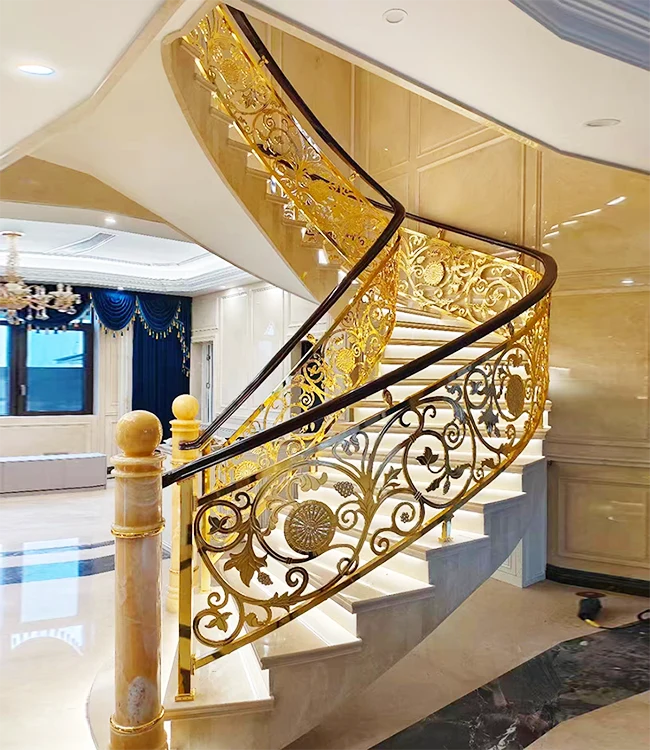
Decorative metalwork
Great for: classic homes, feature staircases, boutique commercial spaces.
Consider if: you want the railing to be a focal point and you’re okay investing in finish protection.
The fastest way to turn a Staircase Railing project into a mess is measuring once, guessing the rest, and hoping installation “figures it out.” A cleaner approach is to treat measurement like a checklist:
Simple rule that prevents rework
If you’re ordering fabricated components, confirm angles and post locations from an agreed drawing before anything is cut or drilled.
That single step avoids the most expensive category of mistakes: “almost fits.”
Your timeline depends on whether you’re buying modular components or commissioning a made-to-order Staircase Railing. The install itself might be quick, but the planning is where projects often stall.
Option A: Modular / semi-modular systems
Good for: faster procurement, predictable parts, simpler replacements.
Watch-outs: limited flexibility if your stair geometry is unusual.
Option B: Custom fabrication
Good for: perfect fit, premium look, complex stairs, matching an architectural concept.
Watch-outs: requires clean drawings, confirmed site conditions, and clear finish requirements to avoid delays.
No matter which route you choose, insist on clarity in these areas:
A Staircase Railing should make life easier, not add a new routine you resent. Aim for “low drama” upkeep:
If you want the lowest effort overall
A well-finished metal railing with straightforward lines is often the easiest to live with—especially for busy households and high-traffic staircases.
Whether you’re a homeowner, contractor, or buyer sourcing at scale, the supplier conversation can either build confidence—or raise red flags fast. When evaluating a Staircase Railing partner, use these questions to protect your budget and timeline:
If you want a manufacturer with experience in metal railing solutions and the ability to tailor details to different project needs, Foshan Nante Metal Products Co., Ltd. is a name many buyers consider when they need consistent fabrication, clear communication, and dependable finishing options.
Q: How do I choose between indoor and outdoor Staircase Railing materials?
A: Start with exposure: rain, humidity, and salty air demand stronger corrosion resistance and compatible fasteners.
Indoors gives you more flexibility to prioritize feel, style, and fingerprint tolerance.
Q: What causes a Staircase Railing to wobble over time?
A: Most wobble comes from weak anchoring, insufficient post support, or hardware that loosens under repeated side-load.
A rigid base connection and correct post spacing solve the problem at its root.
Q: Are glass railings safe for families?
A: Yes, when properly designed and installed with appropriate panel specification and secure hardware.
The bigger “family issue” is usually cleaning—glass shows fingerprints and smudges quickly.
Q: Is a horizontal design a bad idea if I have kids or pets?
A: If climbing is a concern, vertical designs are often the safer-feeling choice.
The right answer depends on household behavior and the requirements where you build.
Q: What information should I send for an accurate quote?
A: Provide clear photos, overall dimensions (including landings), angles/turns, preferred mounting method,
material/finish preference, and any local constraints you must meet. The better the inputs, the fewer revisions later.
Q: How can I reduce delays on a custom Staircase Railing order?
A: Lock the drawing early, confirm site conditions before fabrication, define finish expectations clearly,
and align on packaging protection so the railing arrives ready to install.
The “best” Staircase Railing is the one that solves your real problems: it feels stable, matches the environment, suits your household, and fits the space without last-minute improvisation. If you treat the decision like a structured checklist— pain points, material match, layout, measurements, and install plan—you’ll avoid the expensive surprises that frustrate most projects.
Ready to turn your stairwell into something safer, cleaner-looking, and easier to live with? Share your stair photos, basic dimensions, and the style you like—then contact us to get a practical recommendation and a quote that matches your site reality.