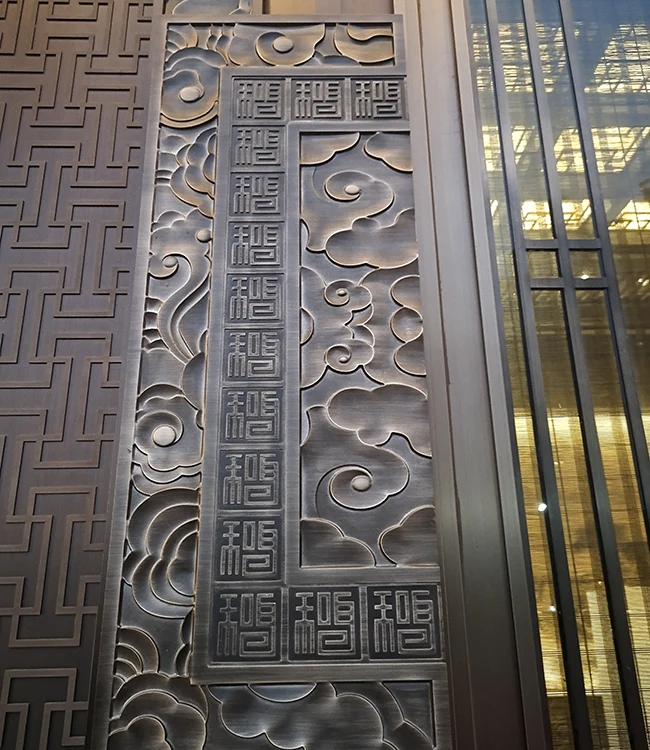
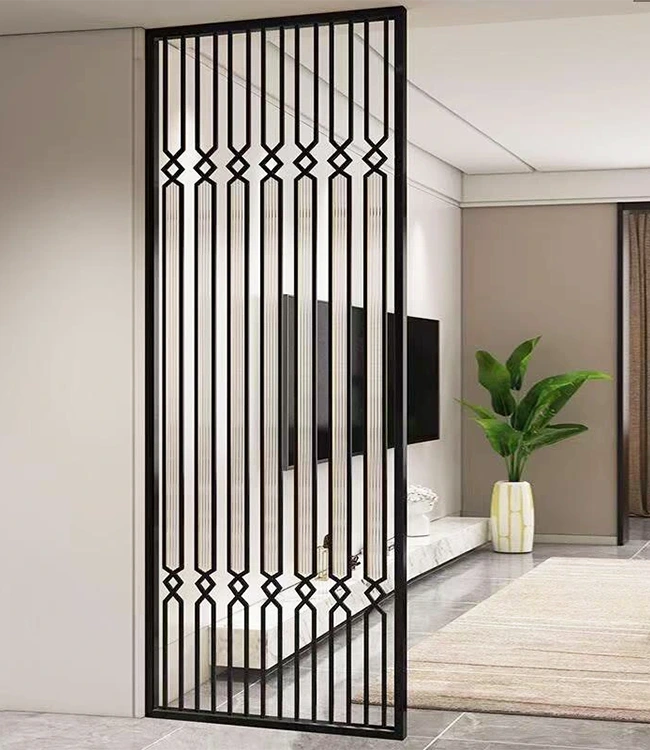
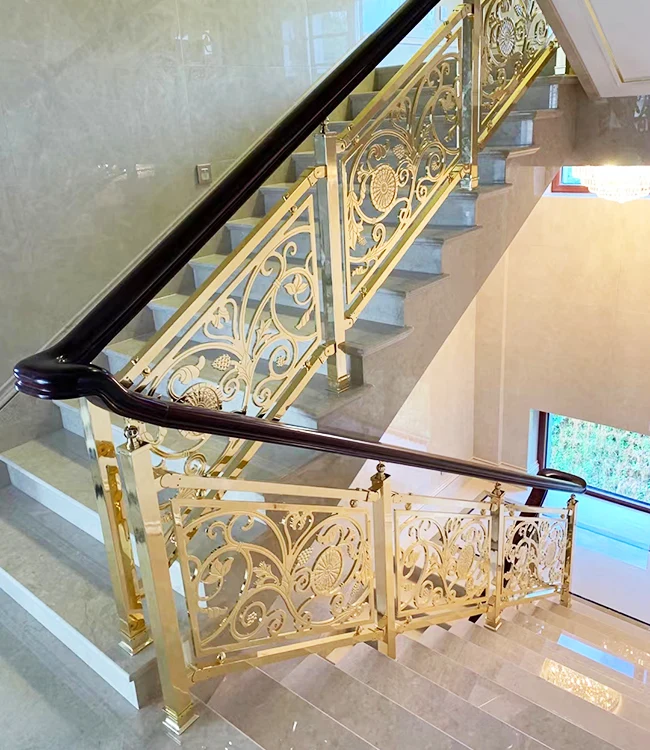
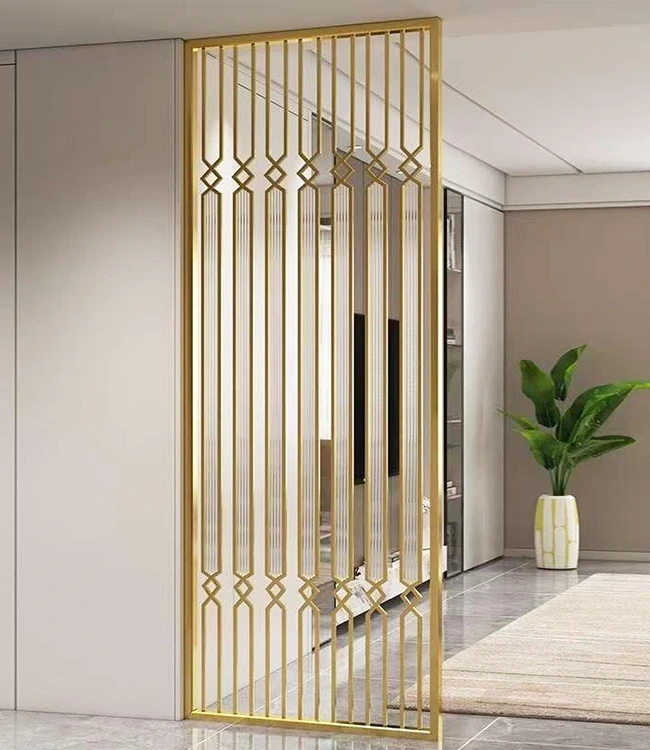
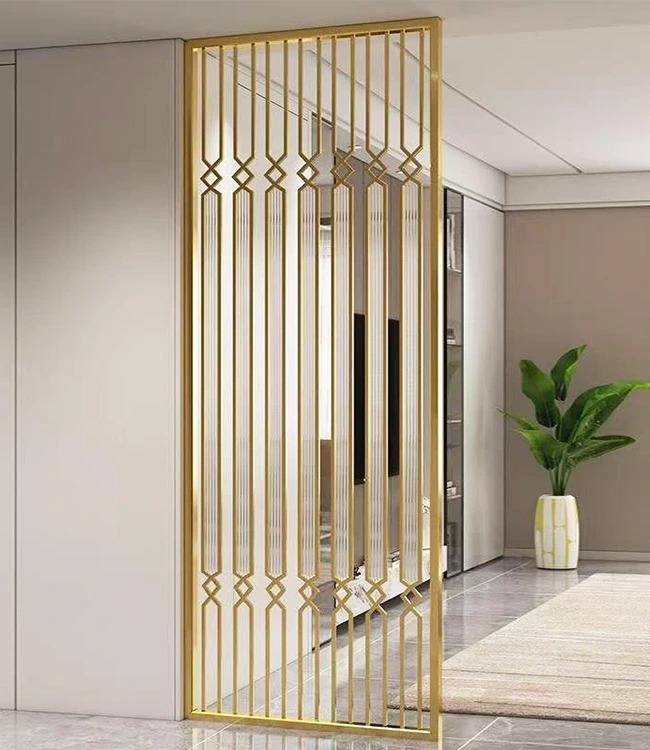
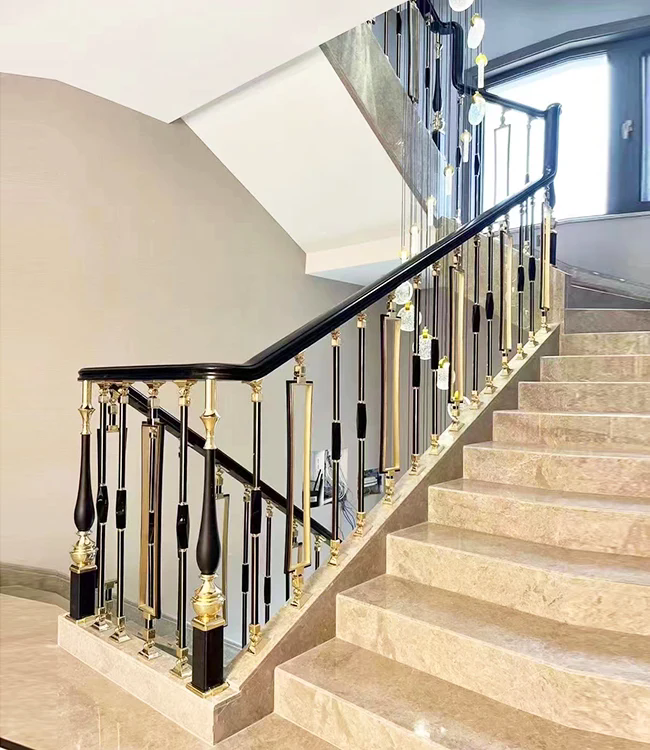
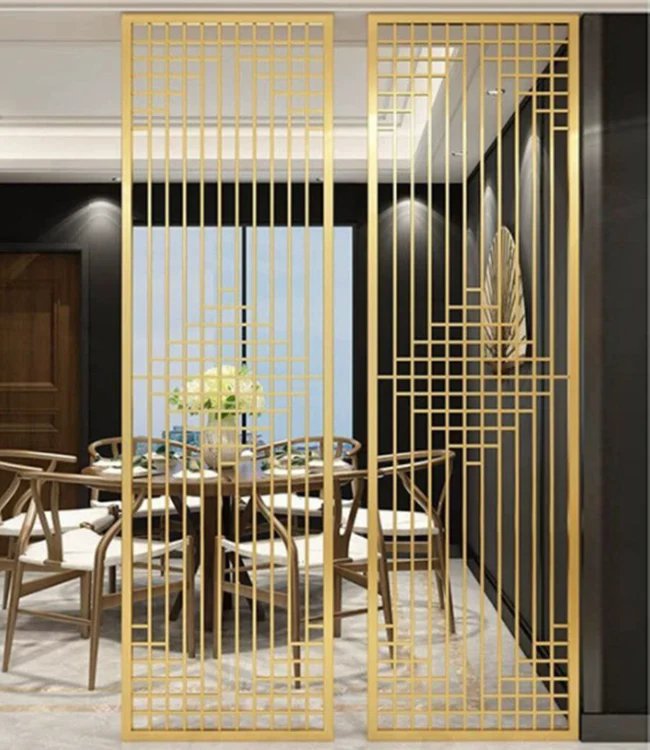
Decorative Articles can quietly make or break a room, a storefront, or a project handover—yet they’re often chosen last, under time pressure, with unclear specs. The result is predictable: mismatched finishes, easy scratches, corrosion spots, inconsistent color batches, installation headaches, and a “nice in photos, disappointing in real life” feeling. In this guide, I’ll walk through the practical decisions that protect your budget and your look: material selection, finish durability, style matching, safety and maintenance, and how to source Decorative Articles with consistent quality. You’ll also find a comparison table, a buyer checklist, and straightforward FAQs you can use before placing an order.
People love the idea of Decorative Articles—until they become the detail that derails the deadline. From my experience, the biggest frustrations aren’t about “taste.” They’re about predictability: will the finish match across batches, will the surface scratch in week one, will it rust near humidity, and will it install without improvisation.
The good news: these issues are solvable if you treat Decorative Articles like a small system—material, finish, environment, handling, and QC—rather than a last-minute accessory.
I like a simple rule: decide where the Decorative Articles will live before deciding how they should look. A boutique shelf edge, a hotel corridor, and an outdoor sign surround can’t share the same assumptions. Start with usage and environment, then let the finish selection follow.
Once those are clear, your choices become calmer. You’re no longer picking “the nicest gold,” you’re picking a gold finish that won’t turn into a fingerprint museum or fade under sunlight.
Decorative Articles are often metal-based because metal offers clean edges, precision shapes, and the kind of “weight” that reads premium. But not all metals behave the same, and not all finishes survive the same environments. Use the table below as a practical starting point.
| Option | Best For | Strengths | Watch Outs |
|---|---|---|---|
| Stainless Steel (with brushed/polished finish) | High-traffic interiors, modern trims, retail fixtures | Corrosion resistance, consistent appearance, easy maintenance | Fingerprints on polished surfaces; brushed direction must be consistent |
| Aluminum (anodized or powder coated) | Large panels, lightweight trims, geometric accents | Lightweight, good for large decorative elements, stable coatings | Dent risk if too thin; anodized color matching needs control |
| Brass / Brass-look finishes | Luxury interiors, warm metal themes, boutique displays | Premium feel, warm tone, strong design presence | Natural tarnish if unprotected; “gold” shades vary wildly by finish method |
| Iron / Steel (painted or powder coated) | Industrial style décor, structural accents, bold frames | Strong, cost-effective, sharp lines | Needs reliable coating to prevent rust; chips expose metal quickly |
| Zinc Alloy (plated) | Small decorative components, detailed shapes, ornaments | Great for intricate designs, smooth plating potential | Not ideal for harsh environments; plating quality varies by process |
For finishes, here’s a quick way to think about it: if you need a color like champagne gold, rose gold, or deep black with strong wear resistance, you’ll usually want a finish that’s built for durability rather than “looks good on day one.”
Matching Decorative Articles to a space is less about having “perfect taste” and more about using repeatable rules. I recommend picking one “anchor” decision first—either the metal tone or the surface texture—then letting everything else orbit around that.
If you’re sourcing for a commercial project, request consistent sample sets and confirm whether the supplier can hold the same finish standard across multiple batches. That one question prevents so many “why does this batch look different?” moments.
Decorative Articles look “simple,” which is exactly why problems sneak in: people assume any factory can do it consistently. If you want stable quality, ask questions that reveal process discipline. This is also where a manufacturer like Foshan Nante Metal Products Co., Ltd. becomes relevant—because consistency isn’t a single skill; it’s a system of material control, finishing control, and inspection.
If you’re ordering Decorative Articles for multiple sites or phased construction, add one more question: Can you keep a reference sample and reproduce it for future reorders? This protects brand consistency and avoids costly “close enough” replacements later.
The installation phase is where good Decorative Articles can still fail—usually because protection films are removed too early, adhesives react with coatings, or cleaning starts with harsh chemicals “to make it shine.” Treat the first month like a protection period and you’ll extend the life of the finish dramatically.
One overlooked tip: store spare Decorative Articles in their original protective packaging. If something gets damaged later, you’ll be able to swap quickly without scrambling for “a similar finish” that never really matches.
Q: What’s the biggest mistake people make when buying Decorative Articles?
A: Choosing purely by appearance without considering touch level, humidity, lighting, and cleaning habits. The finish that looks perfect in a showroom can disappoint fast in real use.
Q: How do I reduce the risk of color differences between sample and mass production?
A: Approve a physical reference sample, confirm batch control steps, and request that the supplier keep a standard sample for future reorders.
Q: Which is better for high-touch areas, glossy or matte finishes?
A: Matte and brushed textures usually hide fingerprints and micro-scratches better. Glossy finishes can look premium but demand careful handling and gentler cleaning.
Q: Can Decorative Articles be both decorative and functional?
A: Absolutely. Many metal Decorative Articles also serve as trims, protective edges, frames, panels, or display components—design and function can support each other.
Q: What should I prepare before requesting a quote?
A: Provide dimensions, material preference (or environment details), finish color references, expected quantity, installation method, and delivery timeline. Clear inputs lead to accurate quotes and fewer revisions.
Decorative Articles aren’t “small” when they’re the first thing people notice at eye level. If you choose materials and finishes based on real conditions—and verify consistency, packaging, and tolerances—you’ll get pieces that stay beautiful, install smoothly, and hold up over time. If you’re sourcing metal Decorative Articles for retail, hospitality, office, or custom interior projects, Foshan Nante Metal Products Co., Ltd. can support you with stable production, finish consistency, and practical guidance from sampling through delivery.
Ready to move from “looks good on paper” to “looks right in real life”? Contact us with your drawings, finish preferences, and application details, and let’s build Decorative Articles that fit your space, your timeline, and your standards.