News

Why Are Separate Screens Transforming Modern Spaces?

2025-10-28 0 Leave me a message

In today’s fast-evolving architectural and interior design landscape, Separate Screens have become a defining feature of multifunctional and aesthetic spaces. They are more than just dividers — these screens integrate privacy, flexibility, and design appeal in both commercial and residential environments. From modern offices to open-plan homes, the Separate Screen provides a sophisticated solution for creating distinct zones without the need for permanent walls.

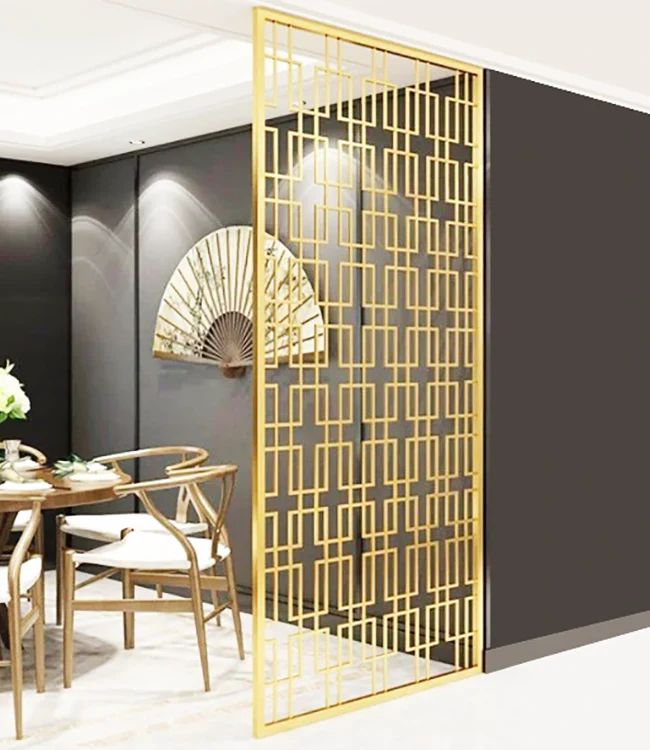
Laser Cut Metal Decorative Separate Screen

What Is a Separate Screen and How Does It Work?

A Separate Screen is a versatile partition designed to divide open spaces into smaller, functional zones while maintaining visual flow and harmony. Unlike traditional walls, these screens can be movable, foldable, or fixed, depending on the user’s needs. They are available in a wide range of materials, including wood, aluminum, glass, fabric, and composite panels, allowing integration into diverse design themes — from minimalist modern offices to cozy residential interiors.

Separate Screens function as both decorative and practical elements. They provide acoustic insulation, privacy, and aesthetic enhancement while optimizing space utilization. With contemporary urban living emphasizing flexibility and modular design, Separate Screens play a critical role in achieving adaptable layouts that respond to evolving user demands.

Why Are Separate Screens Gaining Popularity?

1. Space Efficiency and Flexibility

The growing demand for adaptable workspaces and compact living areas has accelerated the use of Separate Screens. They allow users to easily modify interior layouts without costly renovations. Offices can transform open areas into private meeting zones, while homeowners can separate dining and living spaces as needed.

2. Enhanced Aesthetic Appeal

Design versatility is one of the biggest strengths of Separate Screens. Whether designed with transparent glass panels, woven rattan, or decorative metalwork, these screens add artistic value to interiors. They are not just partitions but statements of style that complement lighting, furniture, and color palettes.

3. Improved Privacy and Acoustic Control

In open-plan environments, privacy is often compromised. Separate Screens solve this problem by acting as visual and sound barriers. Acoustic screens with foam-filled cores or perforated designs can significantly reduce noise levels, making them ideal for offices, libraries, and home workspaces.

4. Sustainable Design Choice

Many modern Separate Screens are built using eco-friendly materials such as recycled aluminum or FSC-certified wood. Their modular design also minimizes construction waste compared to permanent walls. As sustainability becomes a global design standard, Separate Screens align with green building goals.

5. Cost-Effective and Time-Saving Installation

Installing a Separate Screen requires minimal structural work, which reduces labor time and cost. Businesses and homeowners can upgrade or redesign spaces within hours instead of days, providing an efficient alternative to renovation.

Product Specifications and Technical Details

To highlight the product’s versatility and professional-grade design, below is a detailed overview of the standard parameters and optional features of modern Separate Screens:

Parameter Specification Range Description
Material Options Aluminum Alloy / Tempered Glass / Wood / Fabric Durable and stylish materials suitable for diverse environments.
Panel Thickness 8mm – 25mm Offers strength, stability, and sound absorption depending on material choice.
Frame Finish Powder Coating / Anodized / Natural Wood Veneer Provides corrosion resistance and visual appeal.
Screen Height 1200mm – 2200mm Adjustable heights to match interior design requirements.
Width per Panel 600mm – 1000mm Customizable to fit modular installations.
Mobility Options Fixed / Sliding / Foldable Choose static or movable designs for flexible space management.
Acoustic Performance Up to 0.80 NRC High noise reduction coefficient for quiet and focused environments.
Color & Finish Matte / Gloss / Textured Available in customizable finishes to match any decor.
Optional Features Integrated LED, Magnetic Connector, Locking Mechanism Enhances usability and aesthetic functionality.

How Are Separate Screens Used in Different Spaces?

1. Corporate and Commercial Applications

In modern workplaces, open-plan offices often struggle with balancing collaboration and privacy. Separate Screens allow teams to create semi-enclosed meeting areas, breakout zones, or quiet work pods without interrupting airflow or light distribution. They can also be reconfigured for events or temporary setups, adding long-term flexibility.

2. Residential and Interior Design

In compact apartments or studio homes, Separate Screens help define living areas, such as dividing the bedroom from the living space. Decorative wood or rattan screens add warmth, while frosted glass models preserve light and maintain privacy. They also serve as aesthetic backdrops, ideal for home offices or reading corners.

3. Hospitality and Retail Settings

Hotels and restaurants use Separate Screens to enhance ambiance and direct guest flow. In retail environments, they create intimate product display areas, helping brands differentiate zones without permanent construction.

4. Educational and Healthcare Environments

Separate Screens in schools or healthcare facilities support modular design, enabling easy rearrangement of rooms for different functions. In hospitals, they create private areas for patient comfort while maintaining hygiene standards.

What Are the Future Trends in Separate Screen Design?

As interior design trends evolve, the Separate Screen market continues to innovate in both technology and sustainability.

1. Smart Integration

The next generation of Separate Screens will feature smart technologies, such as touch-controlled opacity, built-in lighting, and IoT connectivity. Switchable glass panels can turn opaque for instant privacy or clear for open visibility, controlled via remote or mobile app.

2. Modular and Portable Systems

Manufacturers are introducing lightweight and foldable designs, allowing users to easily relocate or reconfigure their screens. This flexibility supports a growing “work-from-anywhere” culture where spaces must adapt rapidly.

3. Sustainable Materials and Processes

Eco-conscious consumers are pushing brands toward greener materials like bamboo, recycled steel, and low-VOC coatings. Production processes are being refined to minimize carbon footprints, reflecting the design industry’s broader environmental responsibility.

4. Hybrid Aesthetic Solutions

Future designs blend functionality with artistry — integrating patterns, textures, and lighting to make Separate Screens part of the visual narrative of a room. They serve as art installations as much as they do spatial dividers.

Frequently Asked Questions (FAQ)

Q1: What materials are best for Separate Screens in office spaces?
A1: For office environments, materials that balance acoustic performance and visual transparency work best. Aluminum frames with fabric panels or tempered glass screens with frosted finishes provide both sound absorption and aesthetic openness. For executive spaces, wooden finishes offer a more sophisticated touch while maintaining professional elegance.

Q2: How do Separate Screens contribute to better workspace efficiency?
A2: Separate Screens help improve workflow and concentration by reducing noise and visual distractions. They allow flexible zoning for teams, meetings, and individual workstations without the need for permanent walls. This adaptability enables organizations to scale or rearrange office layouts quickly to meet changing operational demands.

How to Choose the Right Separate Screen

Selecting the ideal Separate Screen depends on several factors:

  1. Purpose of Use – Identify whether it’s for privacy, decoration, or acoustic control.

  2. Space Layout – Consider ceiling height, lighting, and traffic flow.

  3. Material Preference – Choose materials that match the environment’s functionality (e.g., glass for openness, fabric for noise reduction).

  4. Mobility Needs – Decide if a fixed or movable system better suits the purpose.

  5. Design Aesthetics – Align finishes and colors with the interior design concept.

A professional consultation can help tailor specifications to project requirements, ensuring balance between design and performance.

Why Nante Separate Screens Define the Future of Interior Partitioning

The Separate Screen is no longer just a design accessory — it is a strategic architectural solution that responds to the growing need for flexibility, aesthetics, and sustainability in modern spaces. Whether enhancing privacy in offices, defining zones in homes, or elevating the atmosphere in hospitality settings, Separate Screens are redefining how spaces interact with people.

Nante, as a leading manufacturer in modular screen solutions, delivers superior craftsmanship, innovative materials, and design adaptability. Each product is engineered to meet the demands of evolving environments while maintaining exceptional durability and style.

For projects seeking to transform space efficiency and design harmony, contact us today to learn more about how Nante Separate Screens can redefine your interior vision.

Related News
Leave me a message
X
We use cookies to offer you a better browsing experience, analyze site traffic and personalize content. By using this site, you agree to our use of cookies. Privacy Policy
Reject Accept