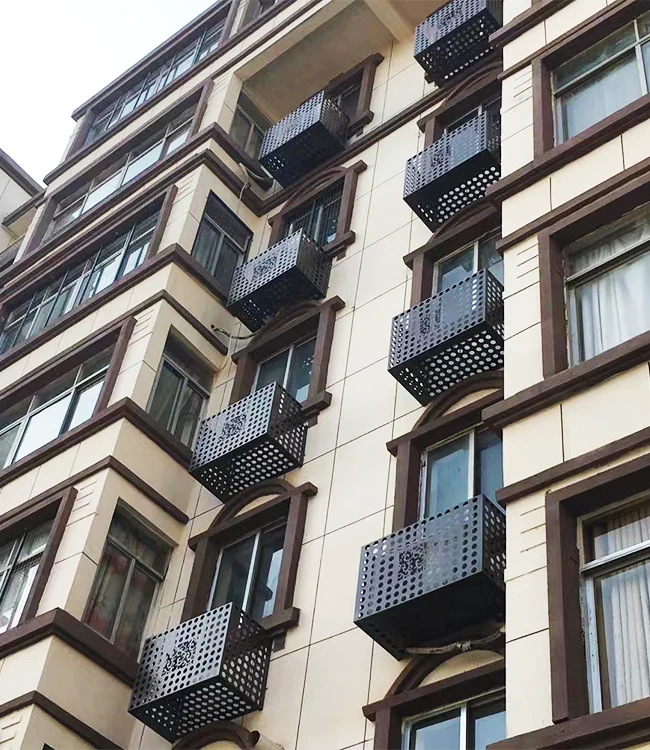
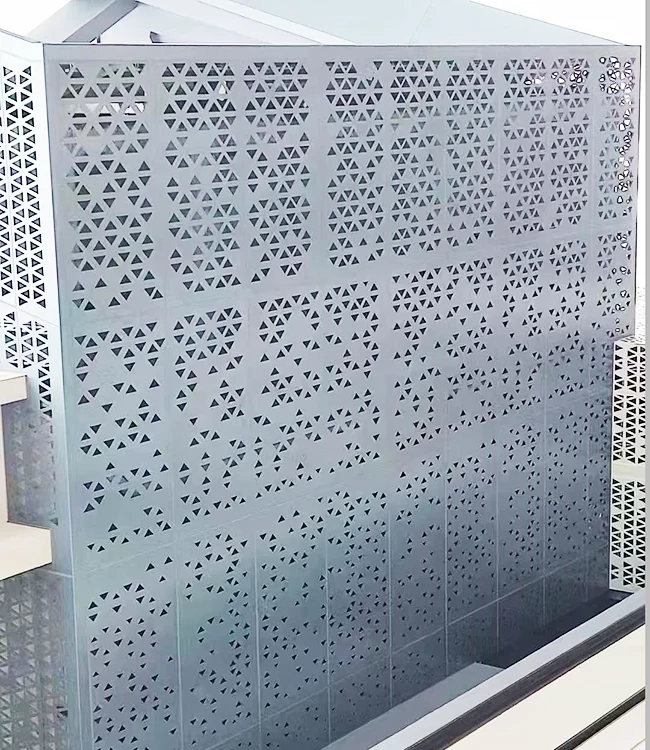
A Stainless Steel Facade Wall Panel can look “simple” in a brochure, yet become complicated fast once you factor in corrosion risk, visible flatness, joint detailing, thermal movement, wind load, installation tolerance, and long-term cleaning. This article breaks the topic down into practical decision steps—from choosing a suitable stainless grade and finish to designing joints that avoid water trapping and “oil-canning,” and building a quality checklist that installers can actually follow. You’ll also find comparison tables, a buyer’s quote checklist, and frequently asked questions that address the real pain points procurement teams and architects face: predictable lead times, consistent surface appearance, replacement strategy, and lifecycle cost.
Most buyers don’t “just” want a nice-looking metal skin. They want a facade solution that stays visually consistent and structurally dependable after years of weather, cleaning, and thermal cycling. A Stainless Steel Facade Wall Panel is often selected because it can satisfy both appearance and durability goals—but only if the details are handled correctly.
Practical rule: the “best” material is the one that matches your environment, detailing, and maintenance plan—not the one with the highest price per sheet.
When people say “panel,” they may be referring to the visible stainless skin only. In real projects, a Stainless Steel Facade Wall Panel system is a combination of components that must work together:
If your quote or drawing set only focuses on the face sheet, that’s where cost surprises often begin. A well-defined scope should state panel thickness, finish, forming method, joint width, backing requirements, and the fixing approach.
Stainless steel is not one single material choice. Grades and finishes behave differently in different environments. Use the table below as a starting point for discussions with your designer and supplier.
| Option | Typical strengths | Best-fit scenarios | Watch-outs |
|---|---|---|---|
| 304 | Widely used, good corrosion resistance in general urban environments | Most inland commercial buildings, standard facade applications | May be challenged in coastal or chloride-heavy areas without correct finish and detailing |
| 316 | Improved resistance in marine/coastal conditions | Coastal projects, high humidity zones, near swimming pools or salty air | Higher cost; still needs good drainage and cleaning strategy |
| 430 | Cost-efficient, decent for some interior or sheltered uses | Interior cladding, sheltered facades with low corrosion exposure | Lower corrosion resistance than 304/316 for exterior exposure |
| 201 | Lower cost in some markets | Typically limited to indoor or low-risk applications | Not recommended for demanding exteriors; risk of staining/corrosion in harsher environments |
Finish selection is just as important as grade. Brushed finishes can hide minor scratches better than mirror finishes. Highly reflective panels may look striking, but they can also magnify waviness and site imperfections. If your project is sensitive to “perfect flatness,” consider panel stiffening, modular sizing, and a finish that is more forgiving to daylight reflection.
Before finalizing a Stainless Steel Facade Wall Panel, align all stakeholders on performance expectations. This is where you prevent expensive “we assumed…” moments later.
Environmental exposure
Structural and movement
Visual quality
If you only take one action: request a clear sample set (same grade, same finish, same processing route) and agree on acceptance criteria before mass production. A small sample that looks great under indoor lighting can behave differently under strong sunlight.
Stainless panels can last a long time, but design details decide whether your facade ages gracefully or turns into a maintenance headache. The goal is to manage water, movement, and edge protection.
Common trap: over-prioritizing “seamless” aesthetics and under-prioritizing drainage paths. Hidden water problems rarely stay hidden forever.
A premium Stainless Steel Facade Wall Panel can still look bad after a rushed installation. Good installation is a process, not a single step.
One reason buyers choose a Stainless Steel Facade Wall Panel is the promise of “low maintenance.” That promise holds best when you plan maintenance like a system: finish choice + access strategy + cleaning routine.
| Maintenance factor | What you should define early | Why it matters |
|---|---|---|
| Cleaning frequency | Quarterly, semi-annual, or annual plan based on exposure | Reduces staining risk and keeps appearance consistent |
| Cleaning method | Approved cleaners, cloth types, and direction of wiping | Prevents swirl marks and finish damage |
| Access | BMU, rope access, or safe reachable zones | Access cost often dominates lifecycle cost |
| Replacement strategy | Panel modular sizing and spare quantity | Makes repairs faster and avoids mismatched panels later |
If you’re comparing stainless to other facade materials, include realistic access costs in your evaluation. A durable panel still needs safe, predictable cleaning access to maintain the “premium” look.
When multiple suppliers quote a Stainless Steel Facade Wall Panel, the cheapest number often hides missing scope. A strong quote is detailed, consistent, and easy to audit.
Procurement checklist (use this to compare apples to apples)
If you want a supplier who understands facade realities—not just metal sheets—ask for project-based guidance. For example, Foshan Nante Metal Products Co., Ltd. supports stainless facade panel needs with an emphasis on consistent finishes, careful processing, and practical production-to-site considerations, helping buyers reduce rework risk and maintain a clean architectural appearance.
Stainless steel facades are not limited to “luxury” projects. They can be a pragmatic choice whenever durability and appearance consistency matter.
If you’re planning a project and want a Stainless Steel Facade Wall Panel that stays consistent from sample approval to site installation, it helps to work with a supplier who understands finish control, detailing realities, and practical lead time planning. Share your drawings, environment details, and appearance goals—then contact us to discuss options that fit your project without guesswork.