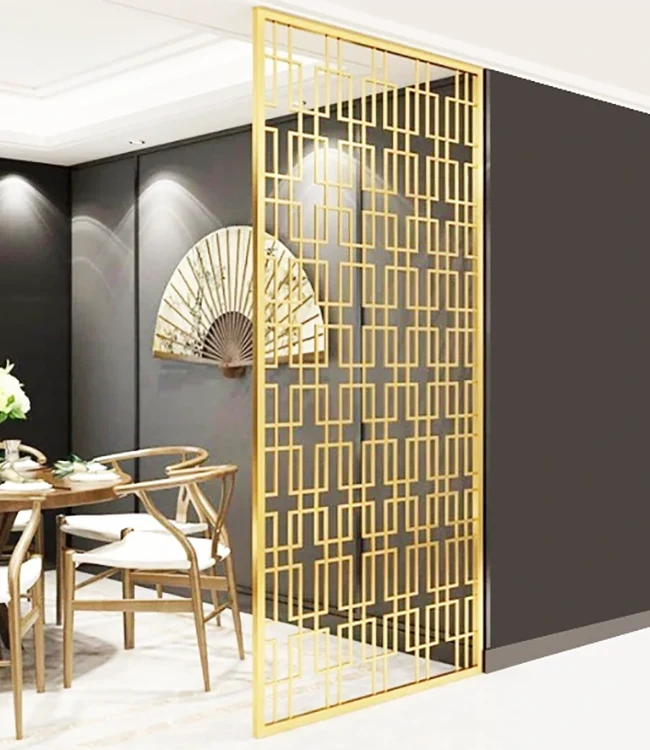
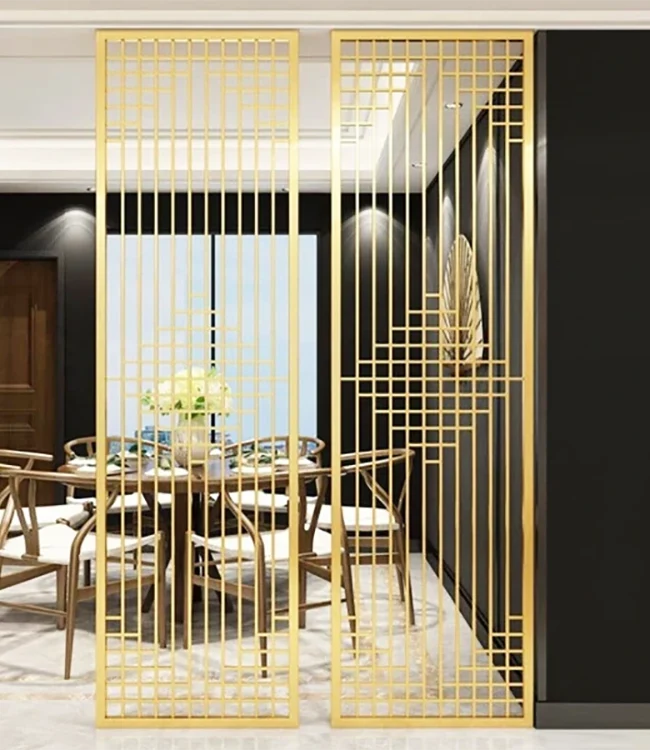
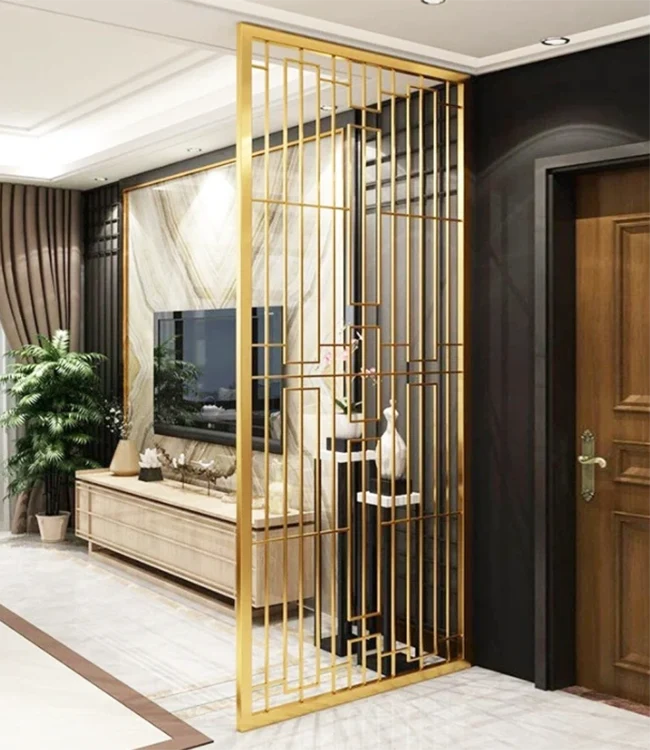
If your space feels “almost right” but never truly works—too exposed, too noisy, too open, or simply awkward to use—there’s a good chance you’re missing a flexible divider rather than a full renovation. A Separate Screen is one of the most effective ways to add privacy, define zones, and upgrade the look of a room without heavy construction. In this article, I’ll break down the most common problems people face (from open-plan offices to restaurants to modern apartments), what a Separate Screen can realistically solve, and how to choose the right material, size, pattern, and installation method. You’ll also find a comparison table, a selection checklist, and an FAQ section that answers the questions buyers usually ask only after something goes wrong. The goal is simple: help you get a screen that looks intentional, performs well, and stays easy to maintain.
What you’ll walk away with:
People usually start looking for a Separate Screen when a space is technically “fine” but emotionally uncomfortable to use. You can feel it when a home office has no boundary, when a reception area looks unfinished, or when diners can see everything happening behind the counter. The problem isn’t always the floorplan—it’s the lack of control over what the space communicates.
Here are the most common issues I hear from buyers:
Reality check: A Separate Screen won’t fully soundproof a room like a wall does. But if your biggest pain is privacy, zoning, and aesthetics (not full acoustic isolation), it’s often the smarter, faster move.
Think of a Separate Screen as “architecture without demolition.” It changes how people move, what they notice first, and how “complete” a room feels. The best results happen when the screen does at least two jobs at the same time: it divides space and it upgrades the visual identity of the room.
What improves immediately:
A detail buyers often miss is how a screen interacts with lighting. Laser-cut patterns can cast shadows that look like a built-in feature—especially when positioned near warm downlights or daylight sources. That single effect can upgrade the perceived quality of an interior with almost no additional work.
Material choice is where many “beautiful in photos” screens fail in real life. A busy restaurant needs easy cleaning. A humid environment needs corrosion resistance. A family home needs rounded details and stable bases. Below is a practical comparison you can use before you commit.
| Option | Best for | Strengths | Watch-outs | Typical finishing ideas |
|---|---|---|---|---|
| Laser-cut metal | Feature walls, modern interiors, branded patterns | Sharp detail, repeatable patterns, strong visual impact | Edges must be properly treated; pattern density affects privacy | Powder coating, brushed look, matte tones |
| Aluminum carved | Luxury residential, lobbies, premium hospitality | Lightweight, refined texture, easier handling for large panels | Needs a quality finish to resist scratches over time | Anodized finishes, metallic paints, satin coating |
| Stainless steel | High-traffic, humid zones, long-term durability | Corrosion resistance, strong structure, professional look | Fingerprints can show; choose finish wisely | Brushed stainless, anti-fingerprint treatment, textured options |
| Mixed materials | Signature design projects | Combines warmth and strength (e.g., metal + glass/acrylic) | More decisions; needs careful detailing at joints | Metal frame with inlay panels |
If you want a straightforward rule: choose based on maintenance tolerance. If you love a glossy, mirror-like look, be honest—are you willing to wipe it often? If not, a brushed or matte finish will look “new” longer.
“Decorative” doesn’t mean “random.” A Separate Screen looks high-end when the pattern density, scale, and placement match the room’s purpose. The same screen can look either like a designer statement or like an afterthought depending on one simple factor: proportion.
Key design decisions to make early:
Tip that saves money: If you’re customizing a pattern, test it at a small scale first. What looks subtle on a computer screen can look very bold at full height.
Buyers often focus on appearance first—and then discover the screen feels unstable, blocks the wrong thing, or looks undersized. Use this checklist before you finalize a quote or drawing.
Measure and decide:
If you’re unsure, a modular approach is often safer: multiple panels can be arranged as needs change, and replacing one section is easier than replacing an entire large piece.
A Separate Screen can be simple to install, but “simple” depends on the environment. A hotel lobby has different safety requirements than a private apartment. Below are realistic options that buyers typically choose.
Common installation methods:
Maintenance that keeps screens looking premium:
Most screen projects go wrong for one reason: the buyer and supplier didn’t align on “what matters most.” Is it privacy? The pattern? Lead time? Cost? Durability? When your priorities are clear, your screen looks intentional and performs well.
Questions worth asking before ordering:
This is where experienced manufacturers stand out. Foshan Nante Metal Products Co., Ltd. is known for producing decorative metal solutions such as laser-cut metal screens, aluminum carved styles, and stainless steel room dividers—options that can be tailored to match different interior themes and functional needs. For projects that require custom patterns, consistent finishing, and reliable production capability, working with a dedicated factory partner helps you avoid mismatched panels, uneven coatings, or “looks good only from far away” results.
Buyer’s shortcut: If you can describe your biggest pain point in one sentence—“I need privacy but don’t want to block light,” or “I need to separate queues from seating”—you’ll get better proposals faster, because the screen can be designed around a clear outcome.
A Separate Screen isn’t limited to “room dividing.” Some of the best projects use screens as multi-purpose design tools that quietly solve messy visual problems.
If your current space feels like it forces you to compromise—either you accept the lack of privacy, or you accept a heavy renovation—this is exactly the gap a Separate Screen fills.
Q: Does a Separate Screen make a space feel smaller?
A: It can, but only if the screen is oversized, too opaque, or poorly placed. Decorative patterns and thoughtful spacing can keep openness while still blocking direct sightlines.
Q: What’s the biggest mistake buyers make?
A: Choosing a pattern purely from a photo without considering real-size scale and privacy level. Always evaluate how dense the cutouts are and how it looks at the intended height.
Q: Is a freestanding screen stable enough for public spaces?
A: For low-traffic areas, yes—if the base is designed properly. In busy venues, floor-mounted options are safer and tend to look more architectural.
Q: Which finish is easiest to maintain?
A: Matte or brushed finishes usually hide fingerprints and minor scratches better than glossy or mirror-like surfaces.
Q: Can I customize the size and pattern?
A: In many cases, yes. Customization typically includes dimensions, pattern density, finish, and mounting style. Providing a reference style and the exact use case helps suppliers propose the right approach.
Q: How do I decide the right level of privacy?
A: Start with the question: “What angle am I trying to block?” If you want to block direct eye contact across a room, choose denser patterns and more height. If you just want zoning, lighter patterns are often better.
A Separate Screen is one of those rare design choices that solves a practical problem and upgrades your space at the same time. When the sizing is right, the finish is realistic for your daily cleaning needs, and the pattern matches your privacy goal, the result doesn’t feel like an add-on—it feels like it was always meant to be there.
Ready to turn your layout problem into a clean, intentional design?
Share your space type (home, office, restaurant, hotel), the approximate size you need, and whether your priority is privacy, zoning, or visual impact—and we can recommend a Separate Screen direction that fits. If you want a tailored proposal, contact us with your requirements and preferred style, and we’ll help you move from “open and awkward” to “separated and polished” without the renovation headache.