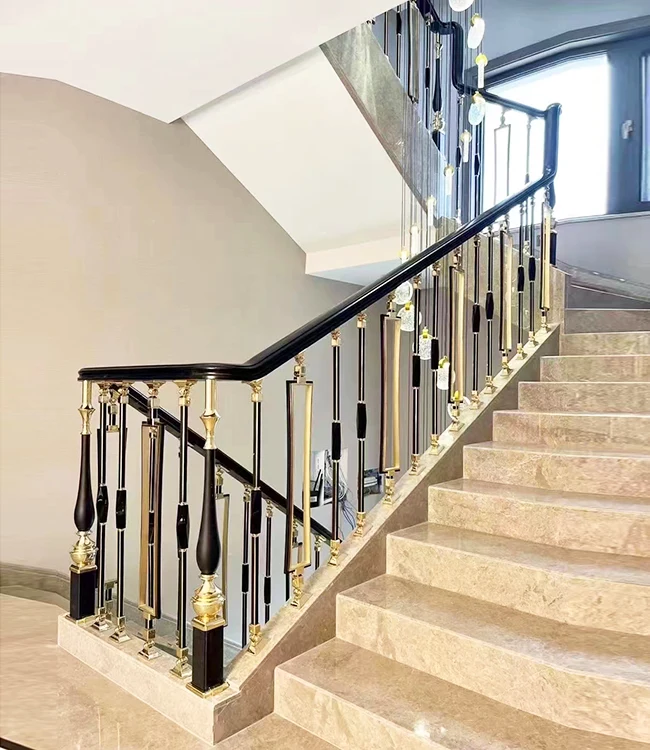
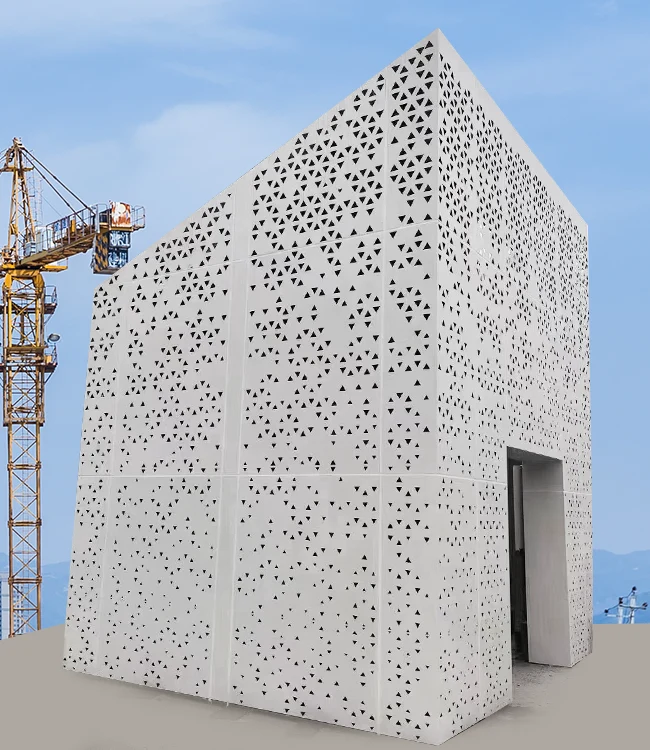
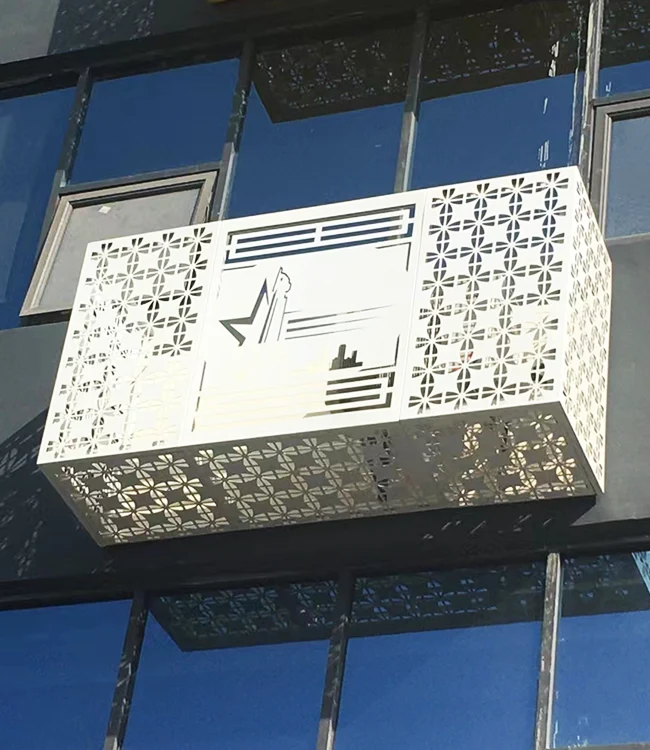
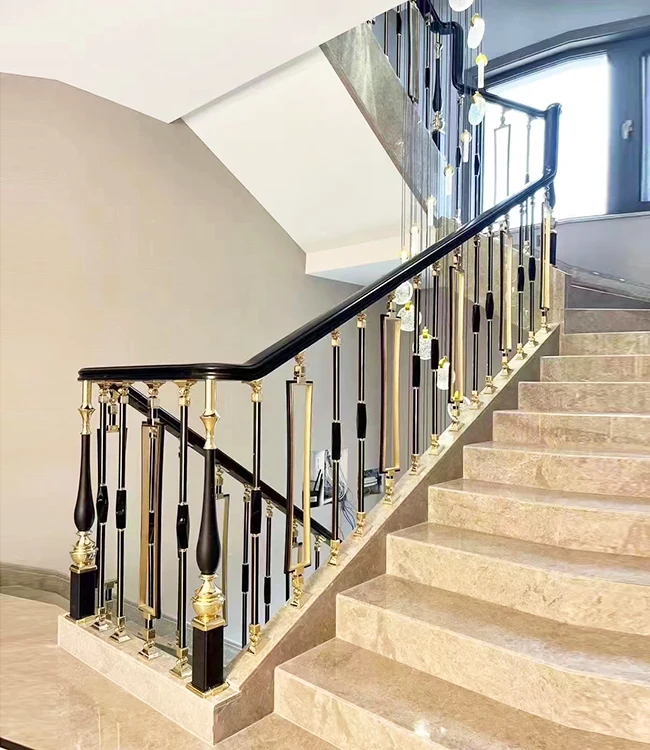
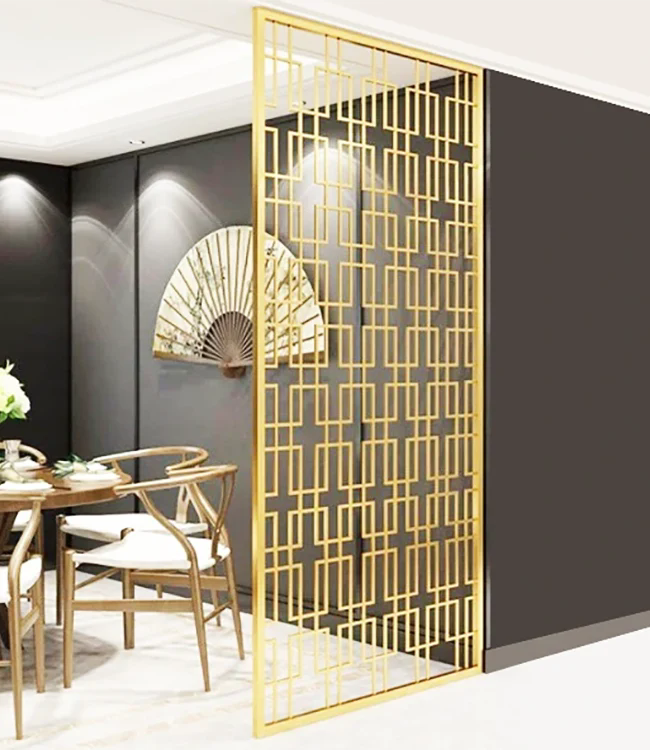
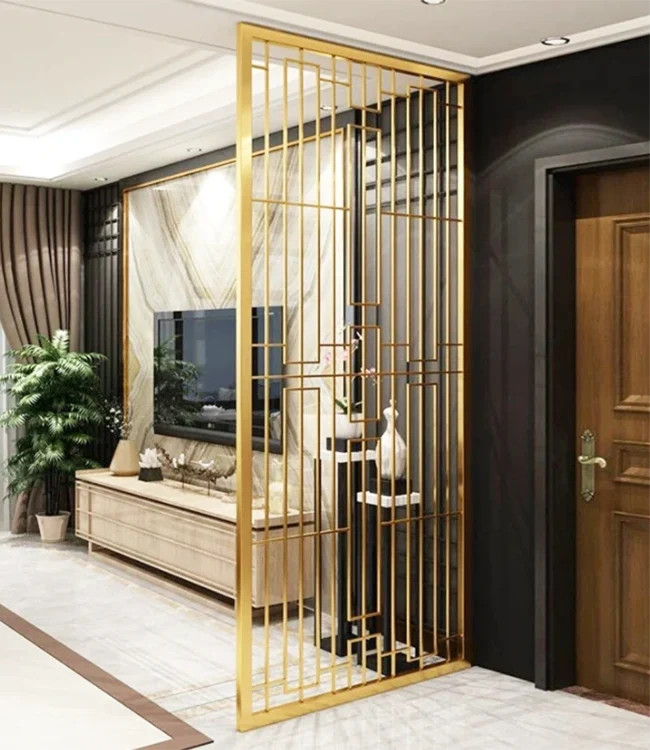
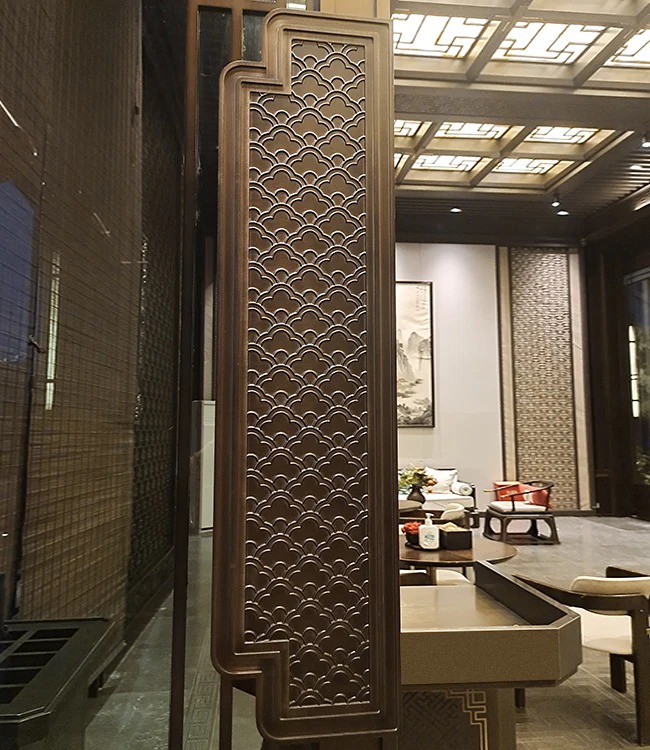
Nante offers Luxury Design Aluminum Carved Stair Railing solutions that combine decorative craftsmanship, practical functionality, and contemporary architectural style. Designed for residential and commercial interiors, these customizable railings help transform ordinary staircases into striking architectural features while providing a functional handrail system for everyday use.
A staircase is more than a connection between floors; it can become a defining feature of an interior. Luxury design aluminum carved stair railing combines decorative patterns with the practical advantages of aluminum, offering architects, contractors, interior designers, and property owners a versatile solution for upscale projects. With customizable patterns, dimensions, colors, and surface finishes, these railings can complement modern residences, luxury hotels, commercial buildings, and public interiors. This guide explores their benefits, design possibilities, material considerations, applications, and selection criteria to help buyers make informed decisions when planning a staircase renovation or a new construction project.
1. What Is Luxury Design Aluminum Carved Stair Railing?
2. What Are the Main Benefits of Aluminum Carved Stair Railings?
3. Which Design Options Can Enhance Your Staircase?
4. Where Can Decorative Aluminum Stair Railings Be Used?
5. Product Specifications and Customization Options
6. How to Choose the Right Stair Railing for Your Project
7. Installation and Maintenance Considerations
Luxury design aluminum carved stair railing is a decorative railing system that combines aluminum components with intricate carved or cut-out patterns. It serves two important purposes: helping define a staircase's protective boundary and contributing to the overall architectural appearance of a building.
Unlike plain railing systems that emphasize minimalism, carved aluminum designs introduce texture, geometric detail, or ornamental patterns. Depending on the selected design, they can complement contemporary interiors, classic residences, and sophisticated commercial spaces.
Aluminum is a popular material for decorative architectural applications because it is relatively lightweight, can be fabricated into various shapes, and naturally forms a protective oxide layer. Appropriate surface treatments can further improve appearance and help protect the material under suitable service conditions.
Nante provides customizable railing solutions, allowing project buyers to discuss design preferences, dimensions, colors, and finishing requirements. For product-specific information, visit the Luxury Design Aluminum Carved Stair Railing product page.
The most noticeable advantage is the visual impact of the carved design. Intricate patterns create a focal point along the staircase, helping coordinate the railing with wall finishes, flooring, lighting, and other architectural details.
Designers can select understated geometric patterns for modern interiors or more elaborate ornamental motifs for luxury residences and hospitality projects. The result is a railing that contributes to the interior concept instead of appearing as an isolated functional component.
Compared with many traditional metal components, aluminum offers a favorable strength-to-weight ratio. Its relatively low weight can simplify handling and transportation, although the completed railing's structural performance still depends on its alloy, dimensions, fabrication, connections, and installation.
For contractors managing multi-floor projects, material weight and component dimensions are important considerations when planning delivery, storage, and installation.
Every staircase has its own dimensions, turning points, landing arrangements, and architectural requirements. Customization helps ensure that decorative elements fit the project rather than forcing the design around standard components.
Depending on project requirements and manufacturing capabilities, buyers can discuss:
Aluminum railings are generally straightforward to maintain. Regular dust removal and cleaning with a soft cloth and a suitable mild cleaning solution can help preserve their appearance. The appropriate cleaning method depends on the selected finish and the manufacturer's recommendations.
As with any architectural metalwork, periodic inspection of fasteners, joints, coatings, and mounting points remains important for long-term performance.
The best carved railing design balances visual character, architectural compatibility, and everyday usability. Buyers should evaluate the pattern, finish, and panel arrangement together rather than selecting each element independently.
Geometric cut-outs, repeating lines, and symmetrical motifs suit modern homes, office buildings, and minimalist interiors. These patterns create visual rhythm without necessarily overwhelming the surrounding architecture.
More elaborate decorative patterns can complement luxury villas, upscale hotels, reception areas, and traditional interiors. Metallic finishes can emphasize the detailing and coordinate with decorative lighting, furniture hardware, and other interior accents.
Finish selection significantly influences the final appearance. Brushed silver can create a restrained contemporary effect, while gold or bronze may provide a warmer decorative statement. Dark finishes can establish contrast against light-colored walls and stone stair treads.
Before confirming production, request available finish samples or reference images. The appearance of a finish may vary with lighting, viewing angle, coating process, and the underlying material.
A successful design should also consider pattern openings, cleaning access, handrail comfort, and applicable safety requirements. Decorative complexity should never compromise the railing's intended function.
The versatility of carved aluminum makes it suitable for a range of architectural environments, provided the selected product and installation method meet the requirements of the intended location.
For exterior installations or locations exposed to moisture, coastal air, or harsh weather, material selection, coating performance, drainage, and maintenance requirements should be reviewed carefully before ordering.
When purchasing a luxury railing system, buyers should distinguish between the product's general design options and the specifications confirmed for an individual order. The following table summarizes the principal selection considerations for Nante's aluminum carved stair railing offering.
| Specification | Available Options or Considerations | Buyer Recommendation |
|---|---|---|
| Product type | Luxury design aluminum carved stair railing | Confirm the intended staircase configuration and application. |
| Material | Aluminum-based design; other metal options may require separate confirmation | Confirm the exact alloy and component materials for the order. |
| Decorative pattern | Customizable carved or decorative designs | Submit drawings, reference images, or preferred motifs. |
| Surface finish | Options may include polished, brushed, etched, or coated finishes | Verify availability, durability, and maintenance requirements. |
| Color | Potential options include gold, silver, bronze, champagne, and other colors | Confirm the actual color sample before production. |
| Dimensions | Project-specific sizing and configuration | Provide measured dimensions and staircase drawings. |
| Fabrication | Processes may include cutting, forming, and joining as applicable | Confirm fabrication details and structural design requirements. |
| Customization services | Custom designs and OEM/ODM cooperation, subject to confirmation | Discuss drawings, quantities, tolerances, and project scope. |
| Packaging and shipping | Protective packaging and shipping arrangements | Confirm packing method, delivery destination, and lead time. |
Exact alloy grades, panel thicknesses, railing heights, load ratings, tolerances, and delivery schedules should be confirmed with the manufacturer. These details depend on the selected configuration and project requirements and should not be assumed from the decorative product description alone.
Choosing a railing involves more than comparing appearance and purchase price. A well-planned specification helps reduce design conflicts, fabrication changes, and installation delays.
Identify whether the railing is intended for a private residence, commercial building, hospitality project, or public facility. Establish the installation location, expected use, environmental exposure, and applicable building regulations before choosing a design.
Provide staircase plans, elevations, landing dimensions, stair angles, and mounting details wherever available. Curved stairs and irregular layouts may require additional measurements or a site survey. Accurate information helps the manufacturer evaluate panel sizes and connection arrangements.
Confirm the required railing height, opening limitations, handrail dimensions, anchoring method, and design loads against the applicable local building code. A decorative pattern is acceptable only when the completed system meets the necessary safety and structural requirements.
Request details about the aluminum alloy, surface preparation, coating system, and maintenance expectations. If the project involves outdoor exposure, ask for evidence that the proposed material and finish are suitable for the anticipated environment.
Before placing an order, review the approved drawings, production tolerances, packaging, shipping method, installation responsibilities, and after-sales arrangements. For customized projects, written approval of the final design can help minimize misunderstandings.
For additional design inspiration, explore Nante's stair railing product range and compare the available decorative styles with your project requirements.
Proper installation is essential to the performance of any stair railing. Even a well-fabricated decorative panel cannot compensate for inadequate anchoring, unsuitable connections, or inaccurate site measurements.
For best results, consider the following practices:
For commercial properties with frequent foot traffic, establish a maintenance schedule based on usage and environmental conditions. For outdoor installations, more frequent inspections may be appropriate depending on exposure to moisture, pollutants, and airborne salts.
Its defining feature is the combination of a functional railing system with decorative carved or cut-out patterns. This approach adds architectural character while allowing buyers to coordinate colors, finishes, and panel designs with the surrounding interior.
Nante's product information describes customization, including design and size options, as well as OEM/ODM services. Buyers should provide project drawings, dimensions, preferred patterns, finish requirements, and order quantities so the manufacturer can confirm feasibility and prepare an appropriate proposal.
Aluminum can be suitable for long-term use when the correct alloy, dimensions, connections, and surface finish are selected for the application. Actual service life depends on fabrication quality, installation, environmental exposure, maintenance, and compliance with the required structural specifications.
Potential options include gold, silver, bronze, champagne, and other colors, with finishes such as brushed, polished, etched, or coated surfaces subject to confirmation. Ask for current samples and specifications before approving the final finish.
Yes, they can be considered for suitable commercial interiors, including hotels, offices, retail spaces, and other buildings. The final selection must meet the applicable requirements for railing height, openings, structural loads, accessibility, fire safety where relevant, and installation.
Prepare the project location, staircase drawings, dimensions, desired pattern, color and finish preferences, estimated quantity, installation conditions, and target delivery date. Also identify any required certifications, testing documentation, or code-related specifications so the supplier can assess the project accurately.
Luxury Design Aluminum Carved Stair Railing offers a practical way to combine decorative craftsmanship with functional staircase design. Its customizable patterns, finish options, and architectural versatility make it worth considering for luxury homes, hospitality interiors, commercial buildings, and other projects where visual impact matters. The best result comes from balancing aesthetics with accurate measurements, suitable materials, reliable fabrication, and compliance with local safety requirements.
Whether you are an architect developing a distinctive interior, a contractor sourcing customized railing systems, or a property owner planning a renovation, Nante can help you explore design possibilities for your project. Review the product details, prepare your specifications, and contact us to discuss customization options, technical requirements, and a quotation tailored to your project. Turn your staircase concept into a coordinated architectural feature with a railing solution designed around your needs.