News

How Can a Modern Living Room Stainless Steel Wine Cabinet Transform Your Home into a Stylish and Functional Space

2026-10-29 0 Leave me a message

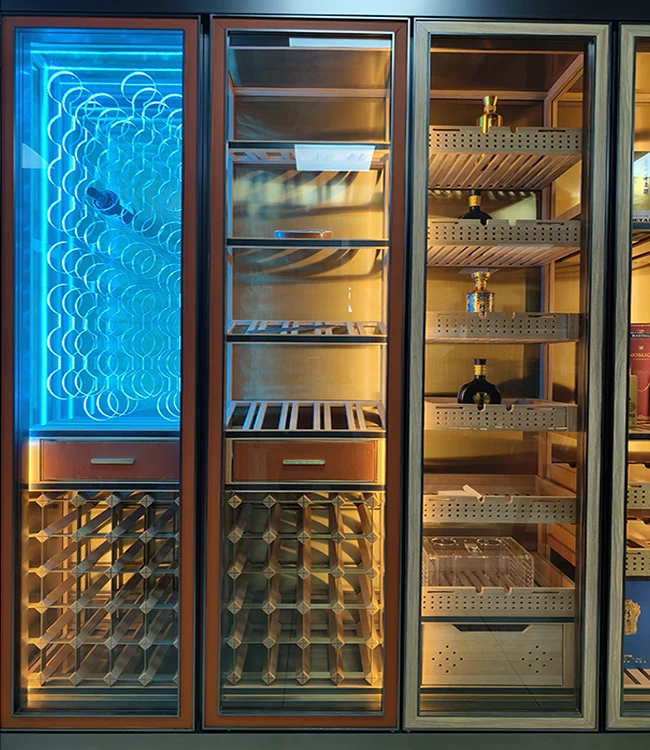
A well-designed wine cabinet can do more than store bottles; it can become a defining feature of a contemporary interior. Nante presents the Modern Living Room Stainless Steel Wine Cabinet as a sophisticated combination of practical storage, refined materials, and modern aesthetics. With stainless steel construction options, glass display doors, integrated wine racks, and customizable designs, this cabinet offers homeowners, interior designers, and hospitality buyers a versatile way to organize wine while enhancing the visual appeal of a living room.

A modern stainless steel wine cabinet combines contemporary design with organized wine storage and decorative display. Its streamlined appearance, durable metal surfaces, and adaptable storage configuration make it suitable for modern apartments, villas, entertainment areas, and selected hospitality interiors. This guide explores its key features, material options, design considerations, customization possibilities, and purchasing factors to help buyers choose a wine cabinet that complements their space and practical requirements.

Modern Living Room Stainless Steel Wine Cabinet

Table of Contents


Why Choose a Modern Stainless Steel Wine Cabinet?

Modern interiors emphasize clean lines, balanced proportions, practical functionality, and carefully selected materials. A stainless steel wine cabinet fits naturally into this design philosophy by providing dedicated storage without making the room feel visually cluttered.

Unlike ordinary storage furniture, a wine cabinet can serve two purposes: organizing a collection and displaying it as part of the interior design. Its metallic surfaces introduce a contemporary character, while transparent doors allow selected bottles and glassware to remain visible.

For homeowners planning a renovation or furnishing a new property, this type of cabinet offers several advantages:

  • Contemporary appearance: Clean lines and metallic finishes complement modern, minimalist, and industrial-inspired interiors.
  • Organized storage: Dedicated racks and compartments help separate wine bottles, glasses, and accessories.
  • Durable materials: Appropriate stainless steel grades offer useful resistance to corrosion and rust under suitable indoor conditions.
  • Decorative versatility: The cabinet can function as a visual focal point in a living room or entertainment area.
  • Design flexibility: Custom dimensions, colors, and material combinations can help accommodate different interior layouts.

These benefits make a modern living room wine cabinet a practical choice for buyers who value both appearance and everyday usability.


What Features Make This Wine Cabinet Practical?

A successful wine cabinet should balance display, accessibility, storage capacity, and visual consistency. Nante's product offering combines several design elements intended to support these priorities.

1. Stainless Steel Construction

Stainless steel provides a distinctive metallic appearance and a solid material option for contemporary furniture. Depending on the specified grade and finish, it can offer corrosion resistance, durability, and straightforward surface maintenance. These qualities are particularly useful for furniture that remains visible and frequently used in shared living spaces.

2. Built-In Wine Rack

An integrated wine rack helps keep bottles organized and reduces unnecessary movement during everyday use. The rack also contributes to the cabinet's presentation, allowing the collection to become part of the room's decorative arrangement.

3. Glass Display Doors

Glass doors provide visibility while helping shield the cabinet's contents from household dust and direct contact. They create a lighter visual effect than completely opaque doors and make it easier to identify bottles without opening the cabinet.

4. Functional Hardware

Handles, hinges, and other hardware influence both appearance and daily convenience. Coordinating these details with the cabinet's metallic finish helps create a cohesive design while supporting smooth opening and closing.

5. Flexible Interior Organization

Adjustable shelves and compartments can improve the usability of a wine cabinet when included in the selected configuration. Buyers should confirm the actual internal arrangement and available adjustments before ordering, especially when storing bottles of different shapes or additional wine accessories.


Which Materials and Finishes Suit Your Interior?

Material selection affects a cabinet's appearance, maintenance requirements, and overall relationship with the surrounding furniture. Nante lists stainless steel grades such as 304 and 316 among its material options, alongside pine wood, acrylic, glass, and marble. The appropriate combination depends on the intended application and design requirements.

Finish selection is equally important. The product offering identifies options including gold, rose, brass, bronze, champagne, silver, and coffee tones, with other colors available for consideration.

Use the following guide when planning a coordinated interior:

  • Silver or brushed metallic tones: Suitable for understated contemporary spaces and neutral color palettes.
  • Gold or champagne finishes: Useful for creating a warmer, more luxurious visual accent.
  • Bronze or coffee tones: Can complement darker furniture, warm lighting, and natural wood textures.
  • Glass elements: Help maintain visual openness and make bottle displays more prominent.
  • Wood or marble accents: Can introduce contrasting textures when incorporated into the approved design.

When selecting materials, distinguish decorative appearance from technical performance. For example, stainless steel grades differ in corrosion resistance, and the most suitable grade depends on the environment, cleaning routine, and project budget. Confirm the specified grade and finish with the supplier rather than assuming every configuration has identical properties.


How Does Stainless Steel Compare with Other Cabinet Materials?

Choosing the right cabinet material requires balancing durability, maintenance, appearance, and cost. The following comparison provides a general purchasing reference.

Material Key Advantages Considerations Suitable Interior Style
Stainless steel Contemporary appearance, durable surface, corrosion resistance depending on grade Finish selection and routine cleaning influence long-term appearance Modern, minimalist, industrial
Solid wood Natural texture, warmth, and traditional character May require attention to moisture, scratches, and surface treatment Classic, rustic, transitional
Glass Visual openness and attractive product display Fingerprints, breakage risk, and cleaning requirements Contemporary, elegant
Marble accents Distinctive patterns and a premium decorative effect Weight, cost, and surface-care requirements Luxury, contemporary
Mixed materials Greater flexibility in texture, color, and visual contrast Material compatibility and construction quality require attention Eclectic, bespoke, modern luxury

For many contemporary homes, stainless steel is an appealing foundation because it combines a clean visual identity with practical surface properties. However, the best solution depends on how the cabinet will be used and which materials complement the rest of the room.


How Can You Integrate a Wine Cabinet into Your Living Room?

Placement determines whether a wine cabinet feels naturally integrated or simply added to the room. Before finalizing the design, consider circulation, lighting, furniture proportions, and access to the storage area.

Position the Cabinet Strategically

A cabinet placed beside a dining area, near an entertainment zone, or against a feature wall can create a practical serving point. In an open-plan interior, it can also help visually distinguish the entertaining area from the main seating zone.

Coordinate the Surrounding Furniture

Match the cabinet's finish with selected details such as coffee-table frames, lighting fixtures, shelving, or decorative hardware. A consistent metallic accent can create visual continuity without requiring every furniture item to use the same material.

Use Lighting Thoughtfully

Ambient lighting and carefully positioned accent lights can make a wine display more inviting. Avoid excessive heat and direct sunlight around stored wine. If integrated lighting is required, confirm the available options and electrical specifications with the supplier.

Measure Before Ordering

Measure the intended installation area, including wall width, ceiling height, available depth, and nearby door or walkway clearances. Also consider access for delivery and installation. A cabinet that looks attractive in a product image may not suit the proportions of a particular room without careful planning.


What Customization Options Should Buyers Consider?

Standard furniture dimensions do not always accommodate individual interiors. Customization can help align a wine cabinet with a specific wall, furniture arrangement, or design concept.

Nante offers custom design services and supports OEM and ODM cooperation. Buyers can discuss the intended appearance, dimensions, materials, and project requirements before confirming the final configuration.

Important customization considerations include:

  • Dimensions: Specify the required width, height, and depth according to the installation space.
  • Material grade: Confirm the stainless steel grade and the materials used for other cabinet components.
  • Finish and color: Select a surface treatment and color that complement the room's palette.
  • Storage layout: Discuss bottle capacity, rack arrangement, shelf spacing, and accessory storage.
  • Door configuration: Confirm the glass type, door opening direction, and hardware arrangement.
  • Branding: Ask about logo placement and other OEM requirements when ordering for commercial projects.
  • Packaging and shipping: Confirm protective packaging, shipping arrangements, and delivery expectations before placing an order.

Providing reference photographs, a dimensioned drawing, and a clear list of requirements can make communication more efficient. Buyers should request confirmation of the final specifications before production begins.


What Should You Check Before Purchasing?

A visually appealing cabinet is only one part of a successful purchase. A structured evaluation helps reduce misunderstandings and ensures that the selected product suits the intended space.

Evaluation Item Questions to Ask Why It Matters
Dimensions Will the cabinet fit the available space? Prevents installation and access problems
Material Which stainless steel grade and other materials are specified? Clarifies expected performance and finish characteristics
Storage capacity How many bottles can the selected layout accommodate? Ensures practical storage for the intended collection
Display features Are glass doors, adjustable shelves, or lighting included? Distinguishes standard features from optional upgrades
Wine preservation Is temperature-controlled storage required? Determines whether a dedicated wine-cooling solution is necessary
Customization Can the dimensions, color, and layout be tailored? Aligns the cabinet with project requirements
Delivery What are the packaging, lead time, and shipping arrangements? Supports realistic project planning

One important distinction concerns wine preservation. A display cabinet is not automatically a temperature-controlled wine refrigerator. If your collection requires controlled storage conditions, confirm whether the chosen configuration includes suitable cooling, temperature regulation, ventilation, and any necessary humidity management.

For further details, review the Nante stainless steel wine cabinet product page and discuss your project specifications directly with the supplier.


Frequently Asked Questions

1. Is a stainless steel wine cabinet suitable for a modern living room?

Yes. Its streamlined appearance, metallic finish, and practical storage layout can complement contemporary, minimalist, and industrial-inspired interiors. The final suitability depends on the cabinet's dimensions, finish, and relationship with the surrounding furniture.

2. What materials are available for Nante's wine cabinet?

The product information lists stainless steel grades such as 304 and 316, as well as pine wood, acrylic, glass, and marble. The precise material combination should be confirmed for the selected configuration.

3. Can I customize the cabinet's size and color?

Yes. Nante offers customized design options. Buyers can discuss their preferred dimensions, finishes, colors, and storage requirements to determine an appropriate configuration.

4. Do glass doors help protect wine bottles?

Glass display doors help reduce exposure to household dust and direct handling while keeping bottles visible. However, ordinary display glass does not necessarily provide UV protection or temperature control. Ask about specialized glass and other protective features if your wine requires them.

5. Is stainless steel easy to maintain?

Generally, yes. Routine cleaning with a soft cloth and a suitable mild cleaner can help maintain the surface. Avoid abrasive pads and harsh chemicals that may damage certain finishes. Always follow the supplier's care recommendations for the specified material.

6. Is a wine cabinet the same as a wine refrigerator?

No. A conventional wine cabinet primarily provides storage and display, whereas a wine refrigerator is designed to regulate temperature. Some furniture configurations may incorporate cooling, but buyers should verify whether temperature control is included rather than assume it is a standard feature.

7. Does Nante support OEM and ODM orders?

Yes. Nante welcomes OEM and ODM cooperation and offers customized design services. Buyers should provide their project requirements and confirm the available customization scope, minimum order conditions, production schedule, and delivery arrangements with the supplier.


Create a More Refined Living Space with the Right Wine Cabinet

A thoughtfully selected Modern Living Room Stainless Steel Wine Cabinet brings together organized storage, contemporary materials, and attractive presentation. From glass display doors and integrated wine racks to coordinated finishes and custom dimensions, the right configuration can enhance a living room while making wine and accessories easier to organize. Careful consideration of measurements, materials, storage capacity, and any wine-preservation requirements will help ensure that the final selection meets both practical and aesthetic expectations.

Whether you are furnishing a private residence, developing an interior design project, or sourcing customized furniture for a commercial application, Nante can help you explore suitable design options. Visit the Modern Living Room Stainless Steel Wine Cabinet product page to learn more about the available options. For tailored dimensions, finish selections, OEM/ODM cooperation, or project-specific requirements, contact us to discuss your ideas and find a wine cabinet solution that complements your space.

Related News
Leave me a message
X
We use cookies to offer you a better browsing experience, analyze site traffic and personalize content. By using this site, you agree to our use of cookies. Privacy Policy
RejectAccept