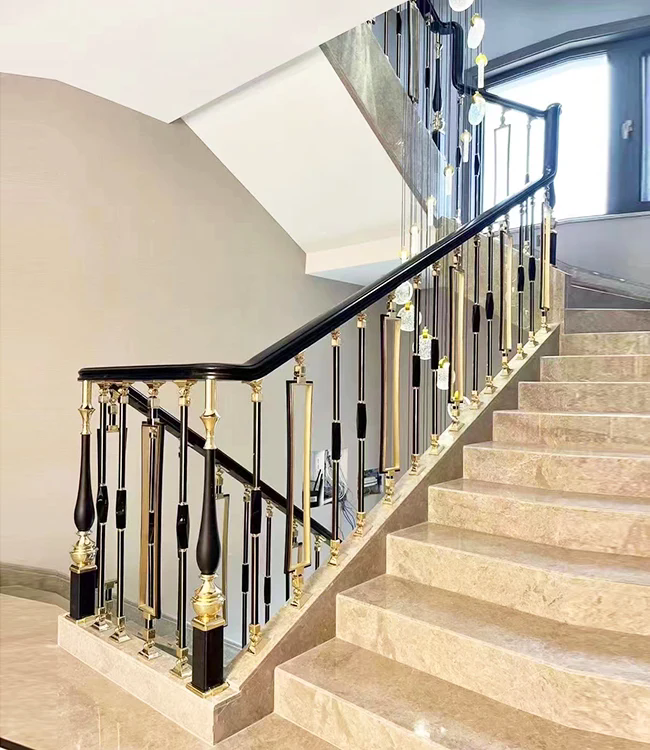
Article Abstract
A Stair Handrail looks simple, but it’s one of those building details where small mistakes turn into daily annoyances—or real safety risks. This guide breaks down the decisions that matter (layout, materials, finishes, grip comfort, corrosion resistance, and installation realities), plus a buyer’s checklist you can use before you request a quote. If you’re trying to balance design, durability, and budget without gambling on quality, start here.
Table of Contents
Most buyers don’t start with “I want a Stair Handrail.” They start with a problem: the stairs feel unsafe, the railing wobbles, the design looks dated, the finish is peeling, or the installer says, “This won’t work with your wall condition.” The frustration usually comes from one of these gaps:
Quick reality check
If your project has multiple floors, high traffic, or mixed indoor-outdoor transitions, the “same handrail everywhere” approach can backfire. You may need one design language, but different finishes or grades for different zones.
Before you compare catalogs, define what “success” looks like for your Stair Handrail. Here’s the simplest way to avoid mis-buying:
| Decision you must make | What it changes | Common buyer mistake |
|---|---|---|
| Indoor, outdoor, or mixed | Corrosion resistance, coating system, cleaning needs | Using an indoor finish outdoors because it “looks nicer” |
| Wall-mounted or baluster-mounted | Bracket design, load path, installation complexity | Choosing wall-mounted without checking wall structure |
| Residential or commercial traffic | Strength expectations, dent resistance, surface wear | Underestimating how fast high traffic destroys soft finishes |
| Design priority | Profile shape, joint style, visible fasteners, end caps | Focusing on “looks” only, then hating the grip every day |
| Cleaning routine | Fingerprint visibility, water spot risk, scratch tolerance | Picking mirror-like finishes in busy family or public spaces |
If you’re collecting requirements for a client or building owner, don’t be shy about asking: Who uses these stairs most? How often are they cleaned? Do they get wet? Is there salt air nearby? This is boring info—and it saves you money.
A Stair Handrail isn’t “just metal.” It’s an interaction surface. You touch it daily, it takes impacts, it sees humidity swings, and it has to stay stable for years. Here’s a practical comparison that avoids marketing fluff:
| Option | Best for | Strengths | Watch-outs |
|---|---|---|---|
| Stainless steel | Modern interiors, commercial use, humid zones | Strong, corrosion-resistant, clean look, long service life | Highly polished surfaces show fingerprints and fine scratches |
| Aluminum | Outdoor projects, weight-sensitive installs, decorative profiles | Lightweight, versatile fabrication, great with coating systems | May dent more easily than some stainless designs depending on thickness |
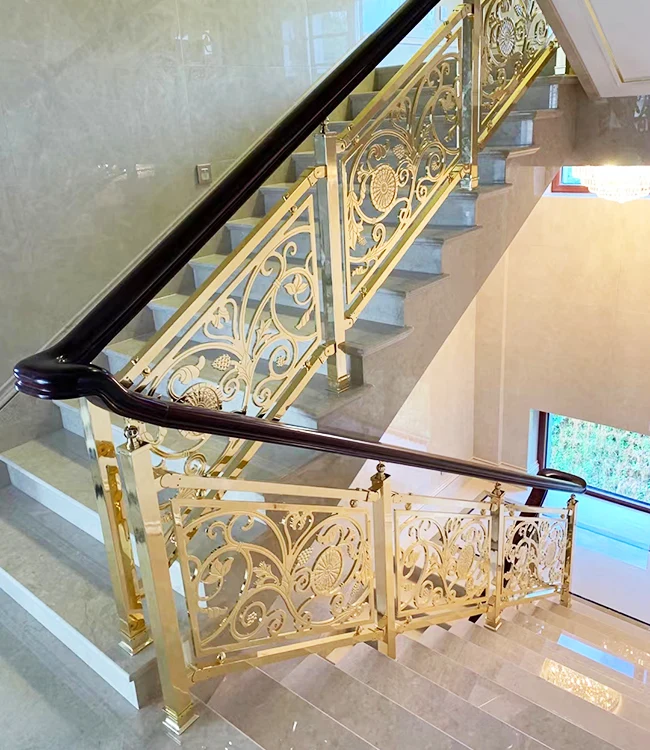
| Copper or brass tones | Luxury aesthetics, boutique hospitality, feature staircases | Warm color presence, premium feel | Surface patina and cleaning expectations must be agreed upfront |
| Mixed material concepts | Signature design statements | Flexible styling, contrast effects | Different expansion rates and maintenance needs require careful detailing |
Next is finish selection. If you remember one thing, remember this: finishes are not just “color.” They are your maintenance plan.
Buyer tip that prevents regret
Request finish samples and test them the way real people will use them. Touch them with clean hands, then slightly oily hands, then wipe with your typical cleaning product. If you hate the look after that test, you’ll hate it every day after installation.
Two handrails can look similar on a product photo and feel completely different in real life. These details determine whether your Stair Handrail feels “secure” or “annoying”:
Note: Always confirm local requirements and project specifications for heights, clearances, and load expectations. Handrail details are safety-critical; treat them like a system, not an accessory.
Installation problems are often measurement problems in disguise. Use this checklist before you finalize a Stair Handrail order:
| What to confirm | What to record | Why it matters |
|---|---|---|
| Mounting surface | Wall type, backing structure, stair stringer details | Determines bracket type, anchor method, and stability |
| Run length and breaks | Full stair run, landings, corner turns, transitions | Impacts fabrication segments and joint planning |
| Clearance | Distance from wall, obstructions, door swing, lighting | Avoids “it fits on paper” installation conflicts |
| User flow | Primary direction of travel, peak traffic times | Guides where reinforcement and durable finishes matter most |
| Finish protection during install | On-site handling plan, protective film, packaging needs | Prevents scratches and rework before handover |
Installer-friendly order details
Whether you’re sourcing for a home project, a hotel stairwell, or a public building, the buying process looks similar: define requirements, confirm details, then lock production. A reliable supplier should help you reduce guesswork—not add to it.
Foshan Nante Metal Products Co., Ltd. supports stair projects with options across materials, finishes, and customization, which is exactly what buyers need when they’re matching aesthetics across multiple floors or tailoring details to a specific site.
Questions worth asking before you place an order
A simple RFQ template you can copy
Project type, indoor/outdoor zones, mounting method, total length, number of corners/landings, preferred finish, preferred color tone, photo of stair area, and your target timeline. If you include these upfront, you’ll usually get a faster and more accurate quotation.
The best Stair Handrail is the one you don’t have to think about every day. Maintenance depends heavily on finish, but a few habits work across most projects:
If you’re comparing quotes, don’t compare price alone. Compare what happens after installation: how long it stays stable, how hard it is to keep clean, and how well the finish holds up to real touch. That’s where lifetime value shows up.
Q: What’s the biggest mistake people make when choosing a Stair Handrail?
A: Choosing based on looks alone. A handrail is a touch surface—comfort, rigidity, and maintenance matter as much as the design.
Q: Is stainless steel always better than aluminum?
A: Not always. Stainless often excels in strength and corrosion resistance, while aluminum can be lighter and very flexible for decorative designs and coating systems. The right choice depends on environment and usage.
Q: Which finish is most practical for daily use?
A: Many buyers prefer brushed or satin-style finishes because they hide fingerprints and fine wear better than mirror-like finishes, especially in high-traffic spaces.
Q: What should I prepare before requesting a quotation?
A: Photos of the stair area, approximate run length, mounting method, indoor/outdoor zones, and your preferred finish and color tone. If there are corners or landings, note them clearly.
Q: Can a Stair Handrail be customized to match a design theme?
A: Yes. Profile shape, finish, color tone, end caps, and decorative details can often be tailored so the handrail looks consistent across floors or across different project zones.
Q: How do I reduce the risk of shipping damage?
A: Confirm protective packaging requirements, surface protection, and handling instructions before production is finalized, especially for higher sheen finishes.
If you want a Stair Handrail that feels solid, looks intentional, and stays easy to live with, start by sharing your project photos, mounting method, indoor/outdoor zones, and the finish style you prefer. The faster those basics are clarified, the faster you’ll get an accurate solution instead of a vague guess.
Ready to move from “maybe” to a clear plan? Reach out to Foshan Nante Metal Products Co., Ltd. and contact us with your project details to get a tailored recommendation and quotation.