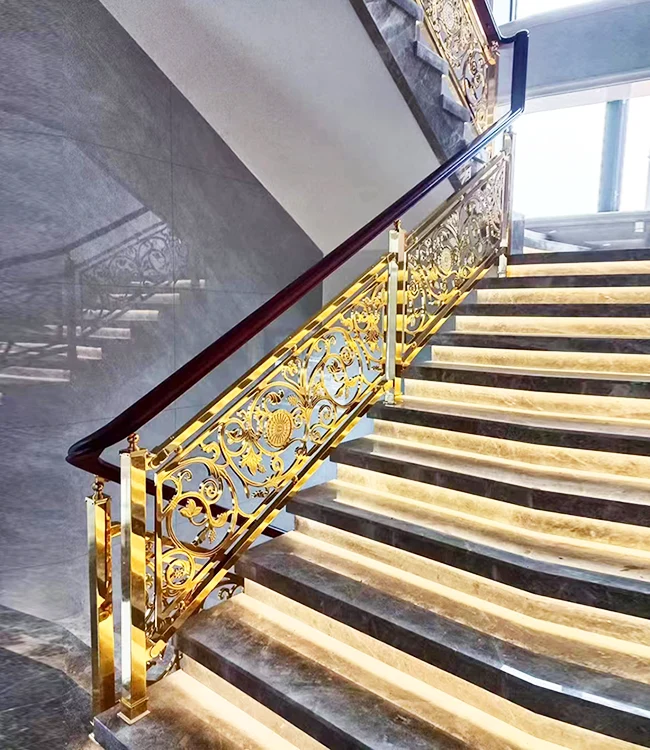
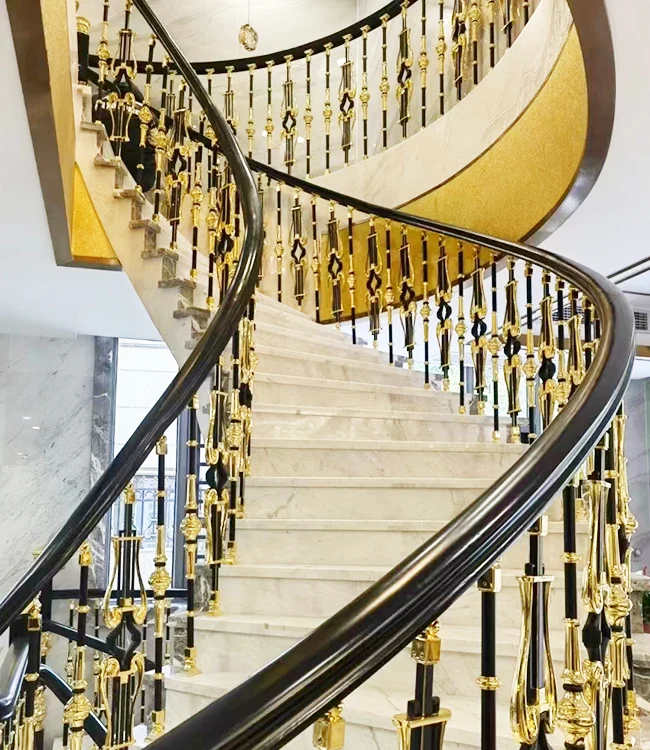
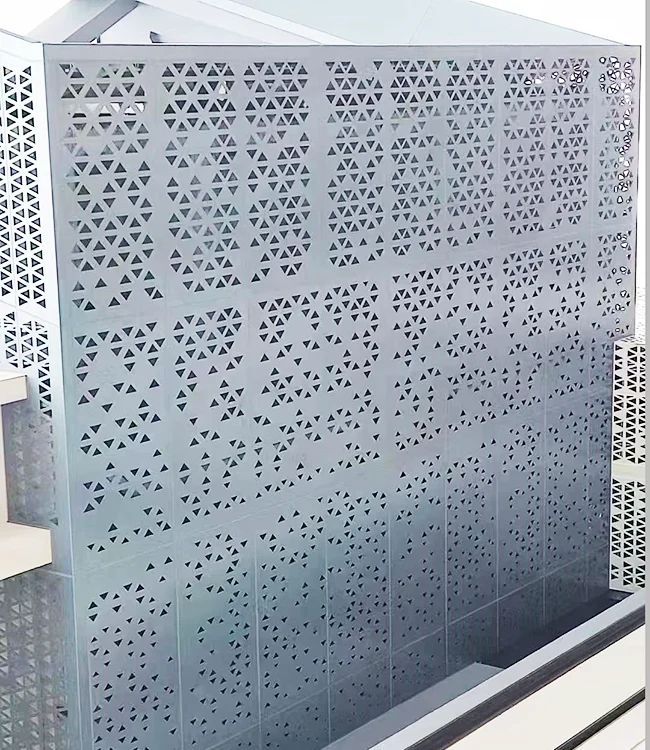
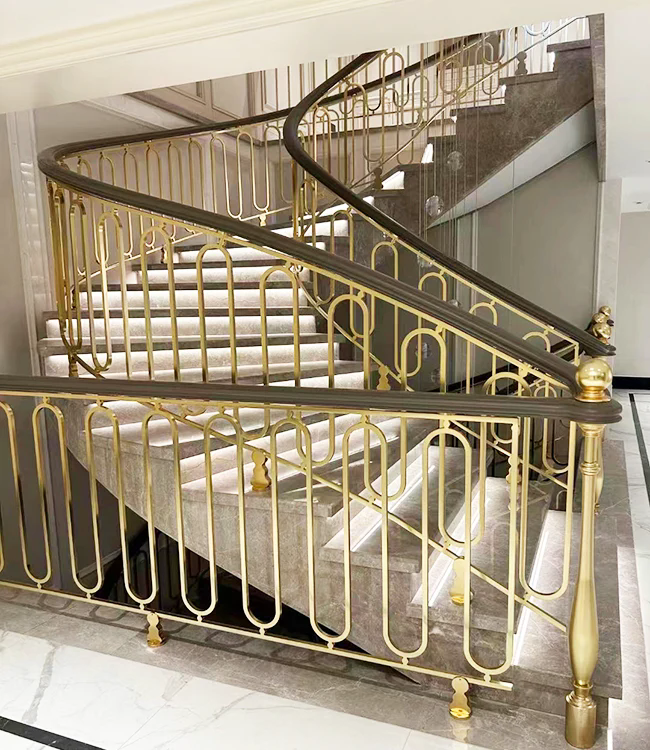
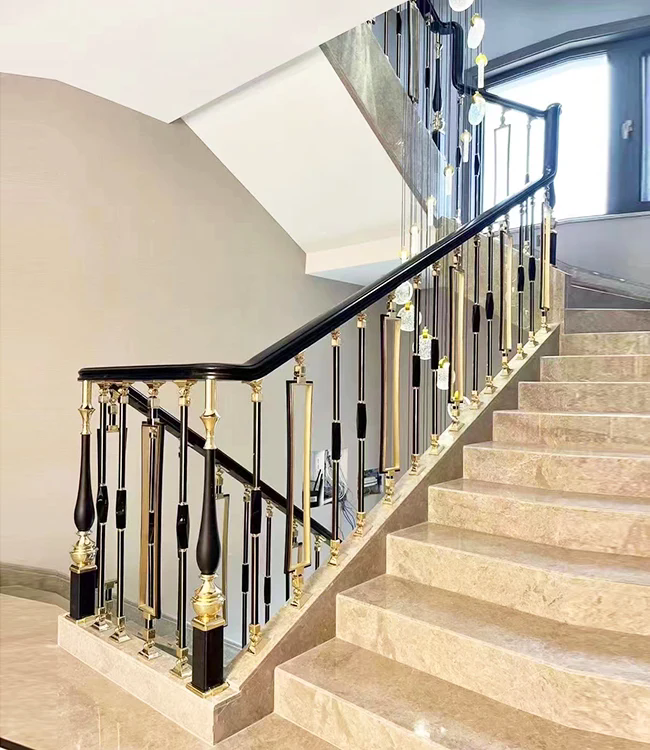
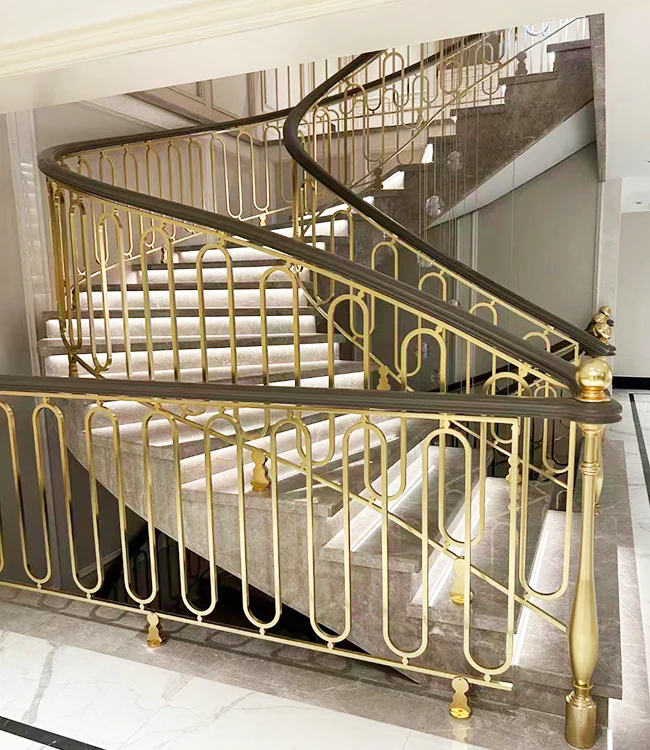
A stair railing is one of those “small” building elements that becomes a big problem the moment it’s wrong: wobbly posts, sharp edges, rust stains, loose anchors, uncomfortable grip, or spacing that doesn’t feel safe around kids and pets. This guide breaks down what buyers actually need to know—materials, safety factors, design choices, finishes, and a practical buying checklist—so you can select a Stair Railing that feels solid every day and still looks great years later.
Here’s the roadmap for the rest of the article:
Most people don’t regret choosing a certain “style.” They regret choosing a railing that feels unsafe, ages badly, or becomes annoying to live with. If any of the following sound familiar, you’re not alone:
The good news: these issues are predictable, and preventable, when you evaluate a Stair Railing as a system (structure + surface + installation), not just as a decorative line on a rendering.
Safety is partly about standards, but it’s also about how a railing behaves when real people use it—rushing, carrying groceries, walking at night, or helping a child on stairs. Before you fall in love with a design, confirm these practical points:
Local building requirements can vary by region and project type. Your supplier or installer should be able to discuss height, spacing, and mounting methods in a way that matches your site conditions—not just give you a catalog page.
Material selection is where many “looks good today” railings fail long-term. The right choice depends on humidity, salt exposure, traffic, cleaning habits, and the style you’re targeting. Use this comparison table to narrow options quickly:
| Material Option | Strength & Feel | Corrosion / Weather | Maintenance | Best For |
|---|---|---|---|---|
| Stainless Steel (commonly 304) | Very solid, modern feel | Good for many indoor/outdoor areas (not ideal for harsh coastal salt) | Wipe clean; avoid harsh chemicals | Modern interiors, covered outdoor stairs, commercial clean look |
| Stainless Steel (commonly 316) | Solid and premium | Stronger protection in coastal or humid environments | Low; periodic rinse helps in salt areas | Coastal projects, poolside areas, exposed outdoor staircases |
| Aluminum (powder coated) | Lightweight, can be very rigid when designed well | Excellent for outdoor use with good coating | Easy; wash and spot-check fasteners | Outdoor residential, contemporary styles, budget-friendly long life |
| Steel / Iron (galvanized + coated) | Heavy, classic, very strong | Good if properly protected; coating quality matters | Medium; touch-up chips quickly | Traditional looks, decorative balusters, high rigidity demands |
| Glass + Metal Frame | Open view, sleek, premium appearance | Metal choice matters; glass is weather-stable | More cleaning (fingerprints, water spots) | View-friendly homes, balconies, modern commercial interiors |
| Wood + Metal Hybrid | Warm touch with structural support | Wood needs protection; best indoors or covered areas | Wood refinishing over time | Warm interiors, transitional styles, comfort-first handrails |
If you’ve ever dealt with rust stains dripping down steps, you already know: choosing the wrong material for the environment is expensive. When in doubt, prioritize durability and surface protection first, then style.
Design is not just aesthetics—design choices can change cleaning time, safety perception, and long-term tightness. Here are buyer-friendly ways to think about it:
A practical trick: imagine cleaning the railing with one hand while holding a phone in the other. If the design has too many tiny corners, open seams, or ornate details, it can become a chore quickly.
Two railings can use the same metal and perform completely differently depending on finishing and hardware selection. If your stair railing will see sun, rain, pool chemicals, or coastal air, focus on protection details:
If you want fewer headaches, choose a finish that matches your real life: pets, kids touching the rail, outdoor dust, and how often you actually want to wipe it down.
The most expensive railing problems often start before fabrication. A clean process reduces errors and helps you compare suppliers fairly. Here’s a practical workflow many successful projects follow:
If your project is remote procurement (ordering railings without an on-site manufacturer visit), drawings, samples, and packaging standards become even more important.
You don’t need to be an engineer to verify quality. You just need the right questions. Use this checklist during supplier evaluation:
A reliable supplier answers clearly, offers alternatives, and flags risks early. If the response is vague, it usually shows up later as delays or disappointing fit-and-finish.
If you’re sourcing a stair railing for a renovation, a new build, or a commercial project, you’ll likely need more than “one size fits all.” This is where an experienced manufacturer can help translate your measurements and design intent into a stable, install-ready system.
Foshan Nante Metal Products Co., Ltd. supports stair railing projects with a focus on consistent fabrication, finish options, and customization for different architectural styles. For buyers, that typically means fewer compromises when you need specific sizes, matching aesthetics across multiple floors, or a finish that suits your environment. If your project involves repeated units (such as apartments, hotels, or multi-building sites), consistent production standards and packaging protection can make a noticeable difference in on-site efficiency.
The most buyer-friendly approach is to share clear measurements, photos of the stair area, and your priorities (durability, view, maintenance, budget). A good manufacturer will help you choose the right combination instead of pushing a single “default” solution.
Even the best railing benefits from simple care. This maintenance plan keeps the railing clean, safe-feeling, and tight:
Maintenance should feel like a quick routine, not a project. If your design requires constant “babying,” it’s a sign the material/finish combination wasn’t matched well to the environment.
Q1: What’s the biggest reason stair railings feel wobbly?
Most wobble comes from weak anchoring, thin posts, or insufficient structural planning—especially at corners and landings. A well-designed mounting method and solid brackets usually solve this.
Q2: Is stainless steel always the best choice?
Not always. Stainless is excellent in many settings, but the best choice depends on the environment (humidity, salt air, chemicals), finish, and hardware quality. In some outdoor cases, powder-coated aluminum can be a very practical long-life option.
Q3: How do I choose between glass panels and pickets?
Glass preserves views and brightens spaces, while pickets are often easier to keep clean and may feel more “traditional safe” for some households. Your decision should reflect view needs, cleaning habits, and privacy preferences.
Q4: What should I confirm before approving drawings?
Verify dimensions, post locations, landing transitions, end conditions, and the mounting method for your structure type. If anything looks unclear, request clarification before fabrication begins.
Q5: How can I make an outdoor railing last longer?
Choose a material and finish suited to your climate, ensure compatible corrosion-resistant hardware, avoid water-trap designs, and rinse periodically if exposed to salt air or pool chemicals.
A stair railing should do two things extremely well: keep people steady and make the space feel finished. When you evaluate material, finish, structure, and installation as a complete system, you avoid the most common regrets—wobble, rust, discomfort, and costly rework.
If you’re planning a project and want a railing that matches your layout, environment, and design goals, choose a supplier who can explain options clearly and support you from measurement to installation. For tailored recommendations and custom solutions, contact us to discuss your stair dimensions, preferred style, and durability needs.