News

How Does an Aluminum Facade Wall Panel Solve Common Building Envelope Problems?

2026-02-09 0 Leave me a message

Article Summary
An Aluminum Facade Wall Panel can make a building look premium—but appearance is only half the story. Buyers often worry about waviness, color inconsistency, water leakage, difficult installation, high maintenance, or panels that “age badly” after a few seasons. This in-depth guide breaks down what actually causes those problems and how to prevent them through smart specification, proper detailing, and reliable manufacturing controls. You’ll also get a practical checklist, a decision table, and clear answers to the most common questions—so you can choose panels with confidence and reduce project risk.


Table of Contents


Outline at a Glance

  • Identify the real causes behind common façade complaints (oil-canning, leakage, fading, misalignment).
  • Understand panel types, finishes, and thickness choices in plain language.
  • Use a decision table to match your project goals with the right specification.
  • Apply proven detailing principles to reduce water ingress and thermal movement issues.
  • Learn which factory checks and documentation protect you from risk.
  • Finish with a buyer-friendly checklist and a practical FAQ.

What Customers Usually Get Wrong

Most façade problems don’t happen because aluminum is “bad.” They happen because the panel system wasn’t specified or detailed for the real environment, installation constraints, and tolerance stacking on site. Here are the most common buyer pain points—and what they typically trace back to:

  • “The surface looks wavy in sunlight.” Often caused by thin face sheets, uneven substrate support, poor flatness control, or installation stress.
  • “Color varies from batch to batch.” Usually a coating batch mismatch, inconsistent curing, or mixing panels from different production lots without control.
  • “Water leaks at joints.” Typically a detailing issue: missing pressure equalization concepts, bad joint design, or improper sealant strategy.
  • “Panels don’t line up cleanly.” A combination of structural tolerance, bracket precision, and insufficient allowance for movement.
  • “Maintenance costs keep rising.” Often tied to poor coating selection for the climate, wrong cleaning methods, or inaccessible design.

The good news: these are predictable issues. And once you know what causes them, you can prevent them with the right combination of panel selection + detailing + quality control.


What an Aluminum Facade Wall Panel Really Is

Aluminum Facade Wall Panel

An Aluminum Facade Wall Panel is typically a prefabricated exterior cladding component designed to protect the building envelope and provide a finished architectural appearance. Depending on your design and budget, panels may be made as:

  • Solid aluminum panels (often formed/bent for stiffness)
  • Composite-style panels (multi-layer structures designed for rigidity and flatness)
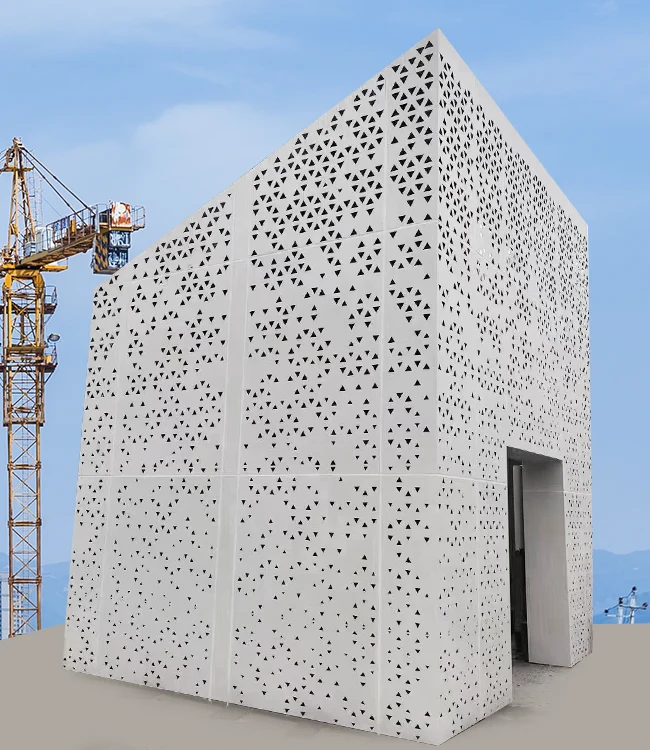
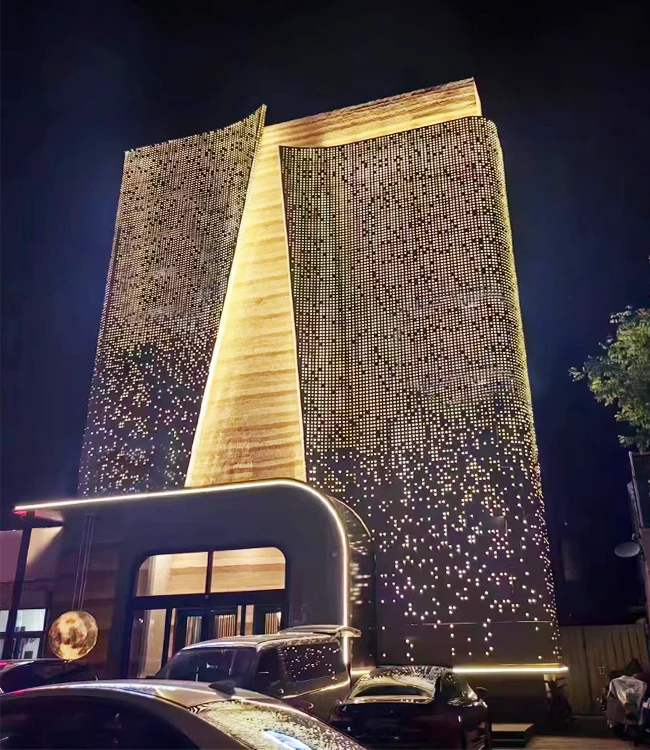
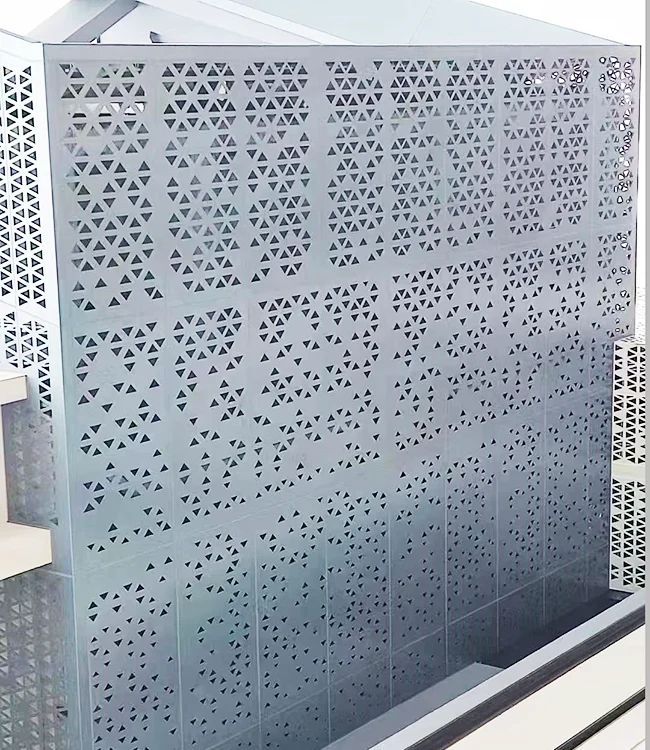
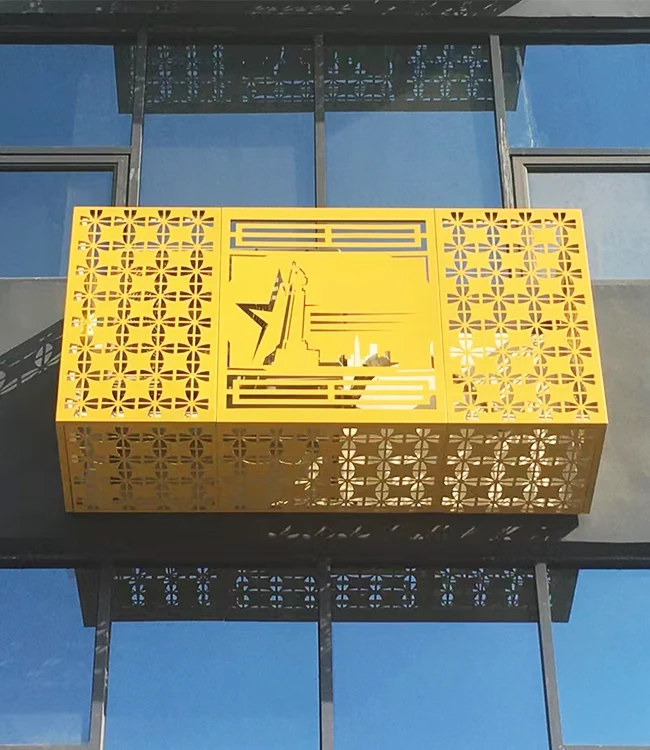
  • Perforated or decorative panels (for shading, ventilation, or visual features)

From a buyer standpoint, the panel is only one part of a system that includes sub-framing, brackets, joints, drainage strategy, and allowances for thermal movement. The “panel spec” that performs best is the one that matches how the whole system will behave in your climate and on your building geometry.


Performance That Matters on Site

When you’re choosing an Aluminum Facade Wall Panel, it helps to focus on performance categories that affect real outcomes—not marketing buzzwords.

1) Flatness and Visual Uniformity

Flatness is the difference between a façade that looks “luxury” and one that looks like it was rushed. Oil-canning (visible waviness) can be influenced by thickness, panel size, stiffening design, fabrication method, and how the panel is fixed to the substructure.

2) Weather Resistance and Water Management

Cladding should expect water, not “hope water never arrives.” Good systems use joint design and a drainage path so moisture can exit safely. Your panel spec should be reviewed alongside joint widths, sealant decisions, gasket use, and the wall’s overall waterproofing layers.

3) Corrosion Resistance

Aluminum resists corrosion well, but coastal air, industrial pollution, and trapped moisture can still cause issues—especially at cut edges, fasteners, and dissimilar metal contacts. Proper coating systems and isolation methods matter.

4) Wind Load and Structural Safety

Panel thickness and sub-framing design should match local wind load requirements. A façade failure is never “just cosmetic.” Buyers should ensure the system is engineered—not improvised.

5) Fire and Code Compliance

Local regulations vary widely. Always confirm requirements for exterior cladding, insulation interfaces, and system testing in your region. Treat code compliance as a design input from day one, not a last-minute paperwork task.


How to Specify Panels Without Regret

Specification is where most projects either become smooth… or become a chain of change orders. Use the table below to connect your real pain points to practical decisions.

Buyer Goal / Pain Point Specification Direction Why It Works
Reduce waviness under strong sunlight Choose adequate rigidity, sensible panel sizes, and controlled fabrication tolerances Visual flatness is a system outcome—material + forming + support strategy
Ensure color consistency across the façade Lock coating system, color code, gloss level, and batch/lot control Even small process variations can show on large façades
Prevent water leakage at joints Detail joints with movement allowance and a clear drainage/pressure management concept Water management is design-led, not sealant-led
Speed up installation and reduce rework Standardize panel module, confirm bracket interfaces, and plan tolerances Site alignment improves when geometry and interfaces are predictable
Lower lifecycle cleaning and upkeep costs Select coatings suited to climate exposure and define safe cleaning methods The wrong finish can stain, chalk, or lose gloss faster than expected

One practical tip: don’t specify panels in isolation. Ask for a system-minded proposal where panel design, stiffening, joints, and sub-framing are considered together.


Details That Prevent Leaks, Noise, and Callbacks

If you’ve ever seen a façade look perfect on day one and become a warranty headache later, details are usually the reason. These are the detailing principles that protect your project:

  • Plan for movement. Aluminum expands and contracts with temperature changes. Joints, fixings, and brackets should allow controlled movement without forcing panels out of plane.
  • Don’t rely on sealant as the only defense. Sealant can be part of the strategy, but long-term performance improves when the joint design includes drainage and an exit path for moisture.
  • Design for tolerance stacking. Walls are not perfectly straight, and structures vary. A good panel system anticipates this with adjustable brackets and realistic joint widths.
  • Prevent galvanic issues. Where dissimilar metals meet, use proper isolation and compatible fasteners to reduce corrosion risk.
  • Think about access. If nobody can safely clean or inspect it, maintenance costs will climb and small issues will become big ones.

These principles apply whether you’re doing a sleek commercial tower, a retail façade, or a residential feature wall. Good detailing is reusable intelligence.


Quality Checks That Separate “Okay” From “Excellent”

Buyers often ask, “How do I know I’m getting what I paid for?” The most reliable answer is documentation + repeatable checks. If a supplier can show disciplined process control, your risk drops.

Recommended quality checks to request
  • Material verification: confirm alloy/temper, thickness, and traceability for each batch.
  • Coating process consistency: ensure a stable coating system with controlled curing and measurable targets.
  • Color and gloss control: verify consistent appearance under standard lighting conditions; manage lot usage per elevation.
  • Dimensional checks: confirm panel length/width, squareness, hole positions, and interface points for brackets.
  • Flatness criteria: define acceptable tolerances before production, not after the panels arrive.
  • Packaging protection: edge guards, film protection, and shipping methods that reduce transit damage.

At Foshan Nante Metal Products Co., Ltd., buyers typically benefit most when they share the project drawings early, confirm panel modules and joint intent, and align on inspection criteria before mass production. That single step prevents most “surprises” later.


Maintenance and Lifecycle Value

A façade should stay attractive without becoming a constant maintenance project. When evaluating an Aluminum Facade Wall Panel, think in years—not weeks.

  • Cleaning frequency depends on pollution, rainfall patterns, and finish selection. Define realistic cleaning intervals during planning.
  • Cleaning methods should be gentle and consistent. Harsh abrasives or incompatible chemicals can damage finishes and void warranties.
  • Replaceability matters. If one panel gets damaged, can it be replaced without dismantling half the wall?
  • Visual aging is predictable. Gloss level, color choice, and exposure direction affect how the façade looks over time.

If you want the façade to keep its “new building” impression longer, prioritize stable finishes suited to your environment, and use consistent lot control across visible elevations.


Procurement Checklist for Buyers

Aluminum Facade Wall Panel

Use this checklist to reduce risk when sourcing an Aluminum Facade Wall Panel system:

  • Confirm project environment: coastal, high-humidity, industrial pollution, heavy rainfall, extreme temperature swings.
  • Define panel module sizes and joint widths early to improve alignment and reduce waste.
  • Request samples that reflect the real finish, gloss, and texture—then review under natural light.
  • Lock coating system details (color code, gloss range, finish type) and require batch/lot management.
  • Align on tolerance expectations for flatness and dimensional accuracy before production.
  • Review sub-framing and bracket interfaces to ensure install practicality on your structure.
  • Ask for packaging and shipping protection details—façade panels are easy to scratch at edges.
  • Plan spares: ordering a small spare quantity can save major headaches later.

FAQ

What thickness should I choose for an Aluminum Facade Wall Panel?

There isn’t one universal “best” thickness—because rigidity depends on panel size, forming, stiffening strategy, and how the panel is fixed. Larger panels and high-wind zones typically demand higher rigidity. The safest approach is to match the panel design to your module size and wind-load requirements, then confirm tolerance and flatness expectations before production.

Why do some panels look wavy only at certain times of day?

Raking sunlight (early morning or late afternoon) exaggerates minor surface deviations. Even small flatness variations can become visible when light hits at a shallow angle. Proper rigidity, controlled fabrication, and stress-free installation reduce this risk significantly.

How do I avoid color variation across the building?

Control the coating system (including gloss) and manage production lots. Ideally, keep the same elevation within the same lot range, and don’t mix panels randomly during installation. Reviewing a large sample under outdoor light before final confirmation helps prevent surprises.

Do aluminum façade panels help with thermal comfort?

Panels contribute to the overall building envelope strategy, but thermal comfort usually depends on the full wall assembly: insulation, air barrier continuity, ventilation cavities, and thermal bridging control at brackets. A well-designed façade system can support energy goals when the assembly is planned as a whole.

Can aluminum façade panels work for curved or special shapes?

Yes—special shapes are possible, but they require careful coordination on radius limits, fabrication method, and joint design. Expect more sampling and tighter alignment between design intent, manufacturing capability, and site installation planning.

What should I send a supplier to get an accurate quotation?

Send elevation drawings, panel layout/module intent, target finish (color/gloss), expected quantities, project location/environment, and any known code constraints. The more clarity you provide upfront, the fewer change orders and delays you’ll face later.


Ready to Specify with Confidence?

If you want your Aluminum Facade Wall Panel to look clean, install smoothly, and stay consistent for years, treat it like a system—not a commodity. Share your drawings, performance expectations, and finish goals early so the panel design, joints, and interfaces can be aligned before production.

Foshan Nante Metal Products Co., Ltd. supports buyers with practical guidance on panel selection, finish options, fabrication planning, and quality checks—so your project can move faster with fewer risks. If you’re comparing options or preparing a tender package, contact us with your drawings and requirements, and we’ll help you build a façade specification that holds up on site and over time.

Related News
Leave me a message
X
We use cookies to offer you a better browsing experience, analyze site traffic and personalize content. By using this site, you agree to our use of cookies.Privacy Policy
RejectAccept