Open layouts look great in photos—until you actually live or work in them. Noise travels, privacy disappears, and “multi-purpose” turns into “messy and distracting.” A well-designed Divider Screen solves those everyday frustrations without the cost, dust, and permanence of building a wall. In this guide, you’ll learn what a divider screen can (and can’t) do, how to choose the right style for privacy, light, and safety, and how to plan placement and installation so it feels intentional. You’ll also find a practical comparison table, real-world use cases, and a buyer’s checklist to help you order confidently.
People usually start searching for a Divider Screen after they’ve tried “quick fixes” that don’t last—moving furniture around, hanging a curtain that looks flimsy, or telling everyone to “just focus.” A divider screen works because it addresses the root problems that open areas create:
The best part is speed: in many cases, a divider screen can be installed or repositioned far faster than any permanent renovation.
A Divider Screen is a physical partition used to separate zones inside a room or shared environment. It can be freestanding, fixed, sliding, folding, modular, decorative, or purely functional.
It’s helpful to set expectations. A divider screen is excellent for:
But it’s not a magical replacement for structural walls when you need:
When you’re clear on the goal, choosing the right divider becomes dramatically easier.
Not all divider screens behave the same. The “right” one depends on how often you’ll move it, how much privacy you need, and how permanent the layout should be.
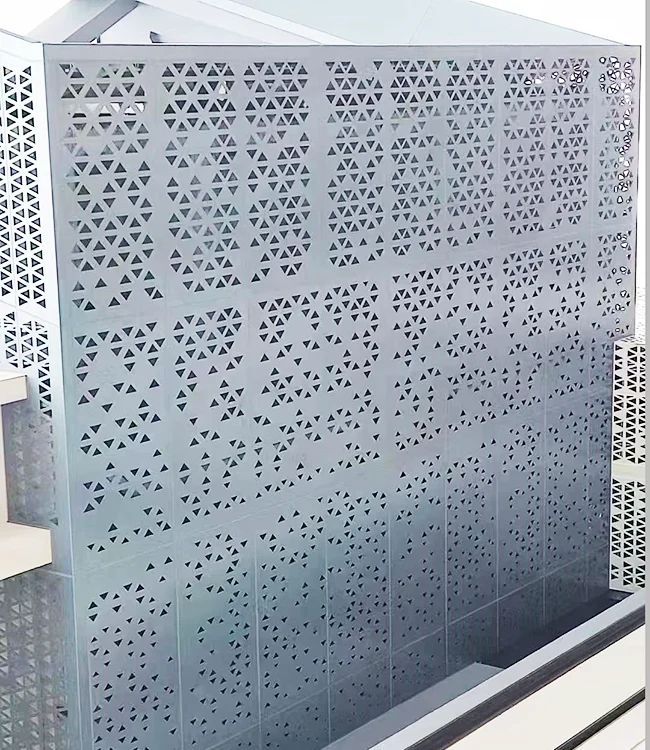
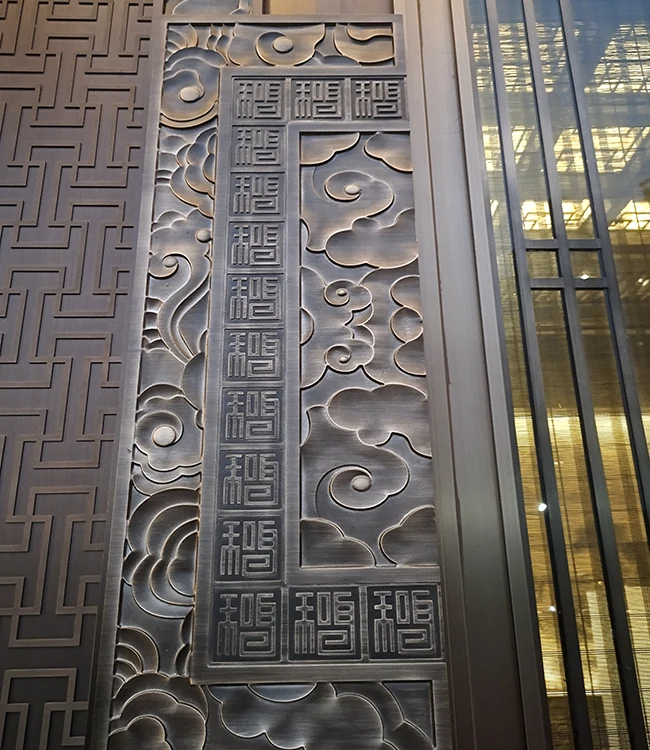
If you’re balancing privacy and light, patterned or perforated designs often feel more “premium” than solid blockers—because they separate spaces without making them feel smaller.
Most disappointing results come from one mistake: buying a divider screen without planning the real-life behavior of the space. Before you choose style, take five minutes to think like a designer and a facility manager at the same time.
A simple rule that works surprisingly well: If the space changes often, prioritize mobility. If the space stays stable, prioritize structure and finish quality.
Your divider screen isn’t just décor—it’s something people walk past, brush against, and sometimes bump into. So material choice matters less for “looks on day one” and more for how it behaves after months of use.
Finishes matter as much as base material. For example, a well-chosen coating can improve scratch resistance and make cleaning easier. When working with commercial environments (restaurants, lobbies, clinics), it’s smart to prioritize finishes that tolerate frequent wiping.
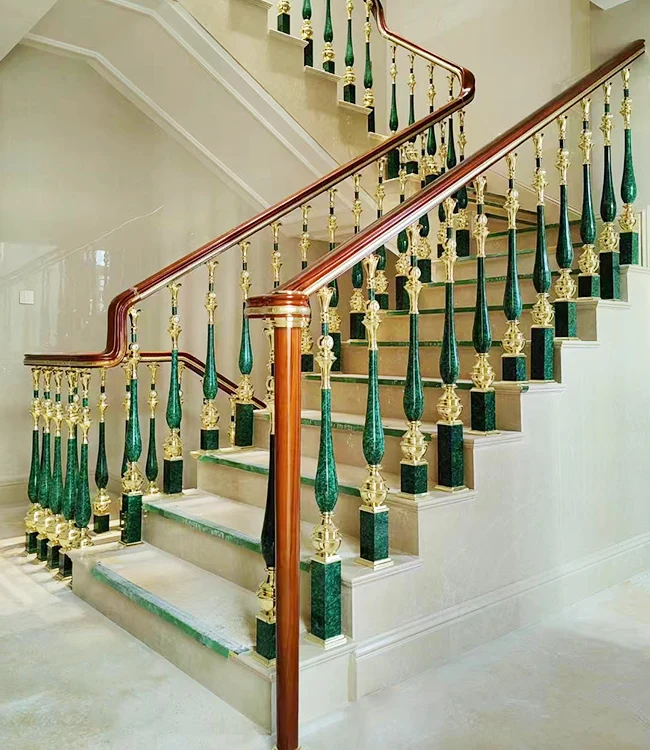
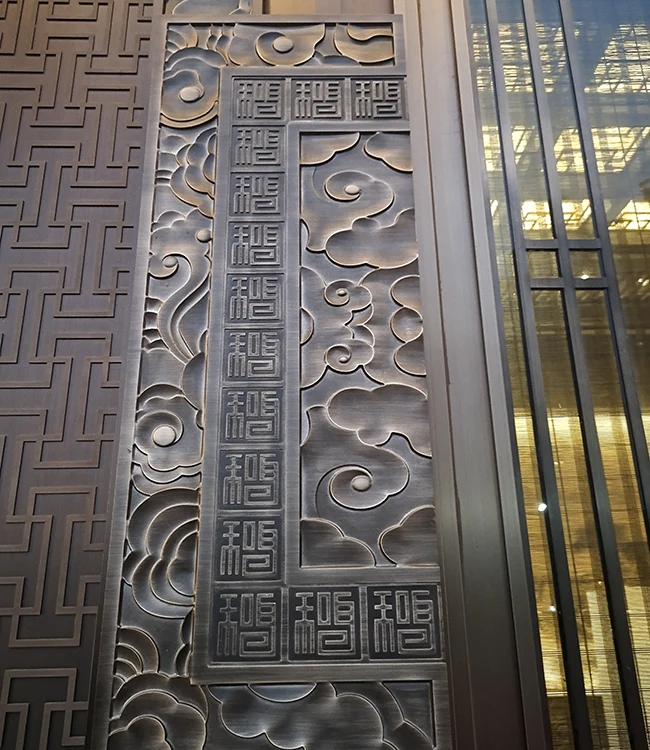
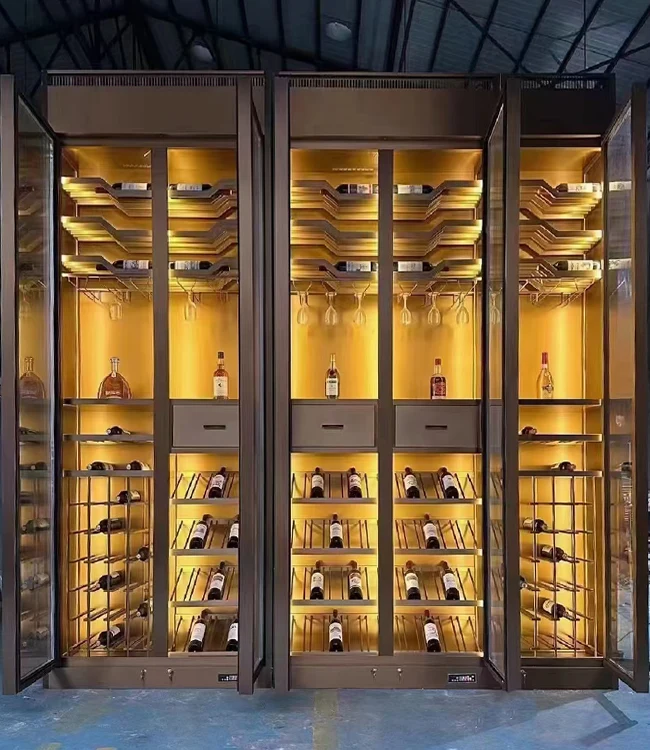
For projects that need custom metal patterns or tailored sizes, Foshan Nante Metal Products Co., Ltd. supports divider screen solutions designed around practical constraints like traffic flow, visual privacy, and long-term durability—so the result feels intentional, not improvised.
| Need | Best Divider Screen Type | Why It Works | Watch Out For |
|---|---|---|---|
| Quick privacy for calls or consultations | Freestanding or modular panels | Fast setup and flexible positioning | Stability in high-traffic areas |
| Open space that transforms often | Folding or modular screen system | Adjustable shape and easy storage | Hinges and joints should feel solid |
| Premium look with light and openness | Decorative patterned metal screen | Soft privacy while staying bright | Pattern density affects privacy level |
| Long-term zone separation | Fixed panel screen | Clean lines, consistent boundaries | Plan placement carefully before installing |
| Flexible opening/closing of areas | Track-mounted sliding screen | Smooth transitions between “open” and “private” | Track quality and installation alignment |
A divider screen is one of those rare products that looks “design-focused” but earns its value through daily function. Here are common scenarios where it solves real problems:
If your goal is to make people feel comfortable in a shared space, a divider screen often delivers more impact than adding more signs, more furniture, or more rules.
A Divider Screen should be low-drama: it sits there, looks good, and doesn’t demand constant attention. To keep it that way, consider maintenance before you buy:
Long-term value is not just “how long it lasts,” but how well it continues to match your space as needs change. That’s why many buyers prefer divider screens that combine durable structure with customization—so the screen remains useful even when the layout evolves.
A Divider Screen is a practical upgrade that people feel immediately: less chaos, clearer zones, and a space that finally behaves the way you need it to. When you plan for sightlines, flow, stability, and cleaning—then match the design to your daily reality—you end up with a solution that looks intentional and works hard for years.
If you want a divider screen that fits your space, your style, and your real-life usage needs, contact us at Foshan Nante Metal Products Co., Ltd. and tell us what you’re trying to fix—we’ll help you build a solution that actually feels right.