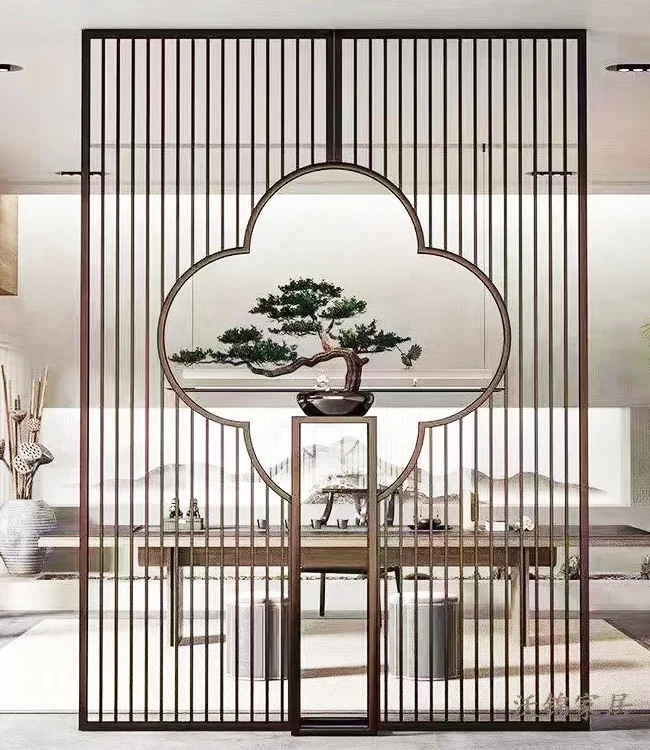
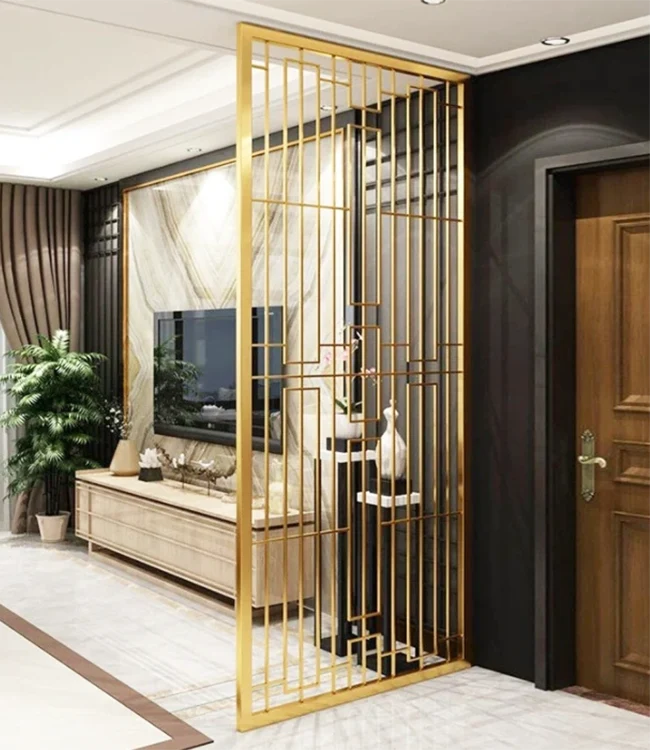
Creating a stylish and functional interior requires more than attractive furniture and decorative finishes. A well-designed partition can redefine a space while maintaining visual openness and architectural harmony. Nante, a professional metal products manufacturer, offers the Modern Simple Design Aluminum Carved Screen Divider as an elegant solution for homeowners, interior designers, architects, and commercial property developers seeking a balance between modern aesthetics, practical separation, and customized metal craftsmanship.
A modern aluminum carved screen divider is more than a traditional room partition. It combines decorative metal craftsmanship with practical space management, allowing designers to establish distinct functional areas without completely blocking light or visual communication. Its minimalist appearance, carved patterns, and adaptable design make it suitable for residential interiors, hotels, restaurants, offices, and other commercial environments.
A Modern Simple Design Aluminum Carved Screen Divider is a decorative architectural partition manufactured using aluminum materials and precision carving or cutting techniques. It is designed to separate different functional areas while contributing to the overall interior appearance.
Unlike conventional solid walls, carved aluminum screens incorporate decorative openings and patterns. These openings create a visually lighter structure, helping maintain a sense of spaciousness while providing a degree of privacy and visual separation.
The modern simple design concept emphasizes clean lines, balanced proportions, and carefully selected decorative patterns. Instead of relying on excessive ornamentation, the screen uses the material itself and its carved details to create an attractive architectural feature.
Depending on the project requirements, aluminum carved screens can be designed as fixed partitions, decorative room dividers, entrance screens, or integrated architectural elements. Their dimensions, patterns, colors, and installation configurations can be discussed during the customization process.
For architects and commercial buyers, this flexibility makes aluminum screens a practical option for projects requiring both functional space division and consistent interior design.
The popularity of modern aluminum partitions comes from their combination of decorative flexibility and practical functionality. Several design characteristics make them suitable for contemporary architectural projects.
Modern interiors generally favor simplicity, geometric balance, and visual consistency. Aluminum carved screens can incorporate straight lines, symmetrical patterns, abstract geometry, and customized decorative motifs.
These design elements allow the divider to complement modern, minimalist, industrial, and luxury interior styles without overwhelming the surrounding decoration.
The carved surface is one of the most recognizable features of this product. Different pattern arrangements can create varying visual effects, from subtle geometric textures to more distinctive artistic compositions.
Designers can select patterns according to the architectural theme, privacy requirements, and desired relationship between the partition and surrounding furniture.
Aluminum is widely used in architectural decoration because of its relatively low weight compared with many conventional metal materials. This characteristic can help simplify handling and installation planning when the product is appropriately engineered.
Depending on manufacturing capabilities and project specifications, buyers can discuss different surface finishing options, including powder coating, metallic finishes, and other decorative treatments. The selected finish should match the intended environment, maintenance expectations, and overall design concept.
Different buildings have different spatial requirements. A customized aluminum screen can be developed around the available installation dimensions, architectural drawings, and preferred decorative patterns.
Choosing the right partition involves considering appearance, functionality, material performance, installation, and long-term maintenance. Aluminum carved screens offer several advantages that make them attractive for modern building projects.
Traditional walls provide strong separation but can make an interior feel enclosed. Carved screens offer an alternative by establishing visual boundaries without completely isolating adjacent spaces.
The pattern density and opening arrangement influence how much visibility passes through the screen. Buyers can therefore select a design that balances privacy and openness according to the intended application.
Aluminum naturally forms a protective oxide layer, contributing to its corrosion resistance. With an appropriate surface treatment, an aluminum divider can provide practical performance in many indoor architectural environments.
Routine maintenance is generally straightforward:
Aluminum carved dividers can serve as functional partitions and decorative focal points. Their design flexibility makes them suitable for projects where architectural details need to coordinate with furniture, lighting, wall finishes, and flooring materials.
A thoughtfully selected screen can remain relevant as interior decoration evolves. Neutral colors, balanced geometric patterns, and timeless proportions are particularly useful for projects that prioritize long-term visual consistency.
The versatility of a modern aluminum carved divider allows it to serve different purposes across residential and commercial environments.
In open-plan homes, a carved aluminum screen can separate the living room from a dining area or entrance without introducing a completely enclosed wall. It helps define functional zones while preserving the overall spatial connection.
Hotels frequently require decorative elements that combine visual identity with practical space organization. Aluminum screens can be used to distinguish reception areas, lounge spaces, waiting zones, and private seating sections.
Restaurants need to balance customer privacy, seating arrangements, and an inviting atmosphere. A decorative metal divider can create subtle boundaries between dining sections while maintaining an open and comfortable environment.
Modern offices often use open layouts to encourage communication. However, meeting areas, reception spaces, and collaborative zones may still require visual separation. Carved aluminum partitions provide a decorative solution without relying entirely on permanent walls.
Retail designers can use patterned metal screens to divide product displays, guide customer movement, and create visually interesting backgrounds. Customized patterns may also reinforce a store's visual identity.
Typical applications include:
Material selection affects the appearance, installation requirements, maintenance, and overall project cost of a partition. Aluminum is one option among several commonly used architectural materials.
The following table provides a general comparison to support preliminary material selection.
| Comparison Factor | Aluminum Carved Screen | Wooden Partition | Glass Partition | Steel Partition |
|---|---|---|---|---|
| Visual Style | Modern and decorative | Warm and natural | Clean and transparent | Industrial and contemporary |
| Weight | Generally lightweight | Varies by wood type | Relatively heavy | Generally heavier than aluminum |
| Pattern Flexibility | High, with customized carving | Suitable for decorative detailing | Depends on glass processing | High, depending on fabrication |
| Moisture Considerations | Good with suitable finishes | Requires moisture protection | Generally moisture resistant | Depends on corrosion protection |
| Maintenance | Generally straightforward | May require additional care | Requires regular cleaning | Depends on surface treatment |
| Common Applications | Residential and commercial interiors | Residential interiors | Offices and modern interiors | Commercial and industrial spaces |
Each material has its own advantages. Aluminum is particularly attractive when a project requires decorative patterns, relatively lightweight construction, and flexible customization. However, the final selection should always consider the intended environment, structural requirements, and installation conditions.
Customization is an important consideration when purchasing architectural metal screens. Standard products may not always match the dimensions, design language, or installation requirements of a specific project.
When developing a customized aluminum carved screen divider, buyers should evaluate the following factors.
Decorative patterns should reflect the overall architectural concept. Buyers may provide reference images, sketches, or CAD drawings to communicate their expectations.
Common design directions include:
Accurate measurements are essential for a successful installation. Buyers should confirm the required height, width, thickness, supporting structure, and installation position before production begins.
Surface finishes influence both appearance and maintenance. The choice should be coordinated with adjacent architectural materials and the expected operating environment.
Fixed floor-mounted screens, wall-supported partitions, and other configurations have different structural requirements. The installation method should be determined during the design stage to avoid unnecessary modifications later.
For distributors, contractors, and project developers, OEM and ODM services can help achieve specific design and procurement objectives. A manufacturer with integrated design, processing, and production capabilities can provide a more coordinated approach to customized orders.
Purchasing an architectural divider is not simply a matter of selecting an attractive pattern. A suitable product should satisfy the functional, aesthetic, and technical requirements of the project.
Consider the following checklist before placing an order.
Buyers should also evaluate supplier communication, customization experience, production capabilities, delivery arrangements, and after-sales support. These factors are particularly important for projects involving multiple screens or coordinated architectural metal products.
Choosing a qualified manufacturer is essential for maintaining product consistency and managing project requirements. The manufacturing process influences dimensional accuracy, pattern quality, surface appearance, and installation compatibility.
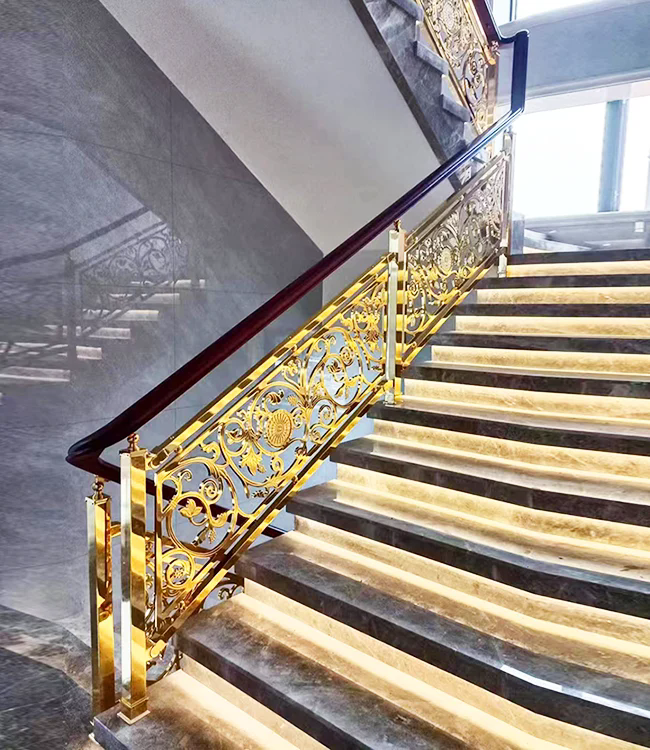
Foshan Nante Metal Products Co., Ltd. is a China-based source manufacturer integrating product design, processing, production, and sales. With more than 13 years of manufacturing experience, Nante specializes in metal architectural and decorative products, including partition screens, stair guardrails, murals, handles, mirror frames, and other customized metal solutions.
For buyers sourcing a Modern Simple Design Aluminum Carved Screen Divider, several manufacturing considerations deserve attention.
Professional design coordination helps translate customer drawings, reference pictures, and project requirements into manufacturable products. Before production, important dimensions, patterns, and installation details should be reviewed carefully.
Material selection and surface processing directly influence the finished product. Buyers should request relevant material specifications and finishing samples when necessary, particularly for projects involving multiple units.
Different projects may require different dimensions, decorative patterns, and installation configurations. Nante provides customized design and OEM/ODM services to accommodate individual customer requirements.
Working with a manufacturer that integrates design, processing, production, and sales can help simplify communication throughout the purchasing process. This is especially valuable for contractors, wholesalers, interior designers, and architectural project buyers.
To learn more about the available product range, visit Nante's official website or explore its divider screen product collection.
A Modern Simple Design Aluminum Carved Screen Divider is mainly used to separate functional areas while maintaining visual openness. It is suitable for living rooms, hotel lobbies, restaurants, offices, retail stores, and other architectural environments. Its decorative patterns also make it an attractive interior design feature.
The main advantages include relatively lightweight construction, decorative flexibility, corrosion resistance, straightforward maintenance, and customization possibilities. Aluminum screens can also provide a balance between privacy and openness, making them suitable for modern interior layouts.
Yes. Depending on the manufacturer's production capabilities, customization can include dimensions, decorative patterns, material specifications, surface finishes, and installation configurations. Nante provides customized design and OEM/ODM services for customers with specific project requirements.
Yes. They are commonly considered for hotels, restaurants, offices, shopping areas, showrooms, and other commercial environments. Their decorative appearance and flexible configurations make them useful for defining functional areas while maintaining a coordinated interior design.
Regular dust removal and occasional cleaning with a soft cloth and suitable mild cleaning solution are generally sufficient for routine maintenance. Avoid abrasive materials and aggressive chemicals that may damage the surface finish. Always follow the manufacturer's specific care recommendations.
To obtain a more accurate quotation, buyers should provide the required dimensions, estimated quantity, preferred pattern, aluminum material specifications, surface finish, installation requirements, and destination. Reference images or technical drawings can also help the manufacturer understand the project more efficiently.
A professional manufacturer can provide coordinated support for design development, material selection, fabrication, customization, and production. This helps buyers reduce communication gaps and obtain products that better match their architectural and procurement requirements.
A Modern Simple Design Aluminum Carved Screen Divider offers an effective combination of contemporary aesthetics, functional space separation, and flexible architectural design. From residential living rooms to commercial hospitality environments, it provides an attractive alternative to conventional solid partitions while allowing designers to maintain a sense of openness and visual continuity.
Successful product selection depends on more than appearance. Material specifications, decorative patterns, surface finishes, dimensional accuracy, structural support, and installation requirements should all be considered before production. Working with an experienced manufacturer can make the customization and procurement process more efficient.
Nante combines more than 13 years of metal manufacturing experience with integrated design, processing, production, and sales capabilities. Whether you are an architect, contractor, distributor, interior designer, or commercial project buyer, Nante can help explore suitable customized metal screen solutions for your requirements. Discover the possibilities of modern aluminum craftsmanship and contact us today to discuss your drawings, request product details, and receive a customized quotation for your next architectural project.