News

Which Stainless Steel Partition Screen Suits Modern Interiors?

2026-11-12 0 Leave me a message

A well-designed partition can transform an ordinary interior into a more organized, functional, and visually appealing environment. A Stainless Steel Partition Screen offers an effective way to divide spaces while maintaining an open atmosphere, introducing architectural character, and providing long-term durability.

However, choosing the right screen involves more than selecting an attractive pattern. Material grade, surface finish, panel design, dimensions, installation methods, and maintenance requirements all influence the final result. This guide explores the essential factors that architects, contractors, interior designers, and commercial buyers should understand before specifying a stainless steel partition system.

1. What Makes Stainless Steel Partition Screens a Practical Choice?

Modern commercial interiors need to balance privacy, accessibility, durability, and visual appeal. Traditional solid walls can make an interior feel enclosed, while temporary dividers may lack the strength or appearance required for long-term commercial use.

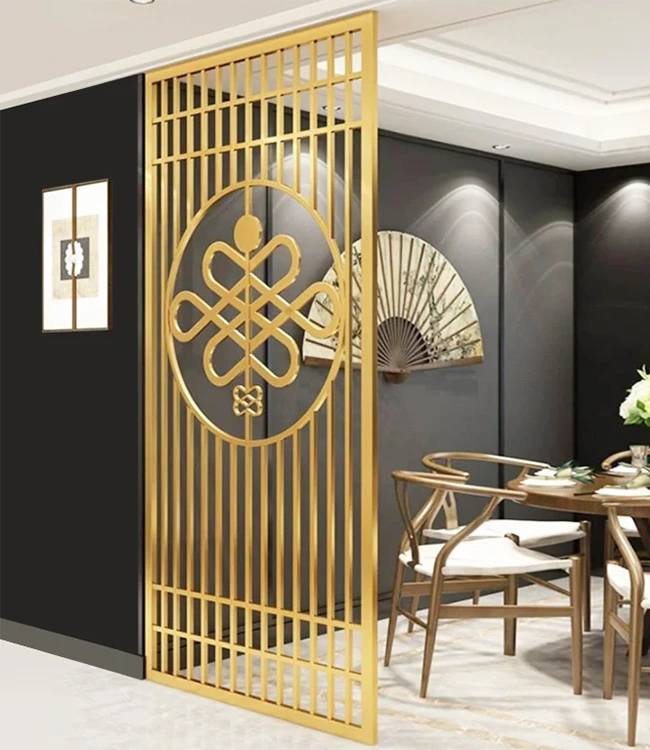
A stainless steel partition screen provides a middle ground. It separates functional areas without necessarily blocking natural light or visual connections. Depending on its pattern and construction, it can serve as a subtle room divider or a distinctive architectural feature.

Durability for Long-Term Applications

Stainless steel is valued for its mechanical strength and corrosion resistance. Unlike materials that may easily warp, crack, or deteriorate under normal indoor conditions, properly selected stainless steel can maintain its structural performance over extended periods.

This makes it suitable for hotels, office buildings, restaurants, shopping centers, and other commercial environments where interior fixtures experience frequent daily use.

Visual Separation Without Closing the Space

One of the biggest advantages of a decorative partition screen is its ability to define different zones without constructing a complete wall. Openwork patterns, laser-cut designs, and perforated panels allow varying degrees of visibility and light transmission.

Design Flexibility

Stainless steel can be processed into different shapes, patterns, and configurations. Buyers can select geometric motifs, organic patterns, vertical lines, or customized designs that coordinate with a project's architectural style.

Practical takeaway: Stainless steel partition screens are particularly useful when a project requires a combination of visual separation, architectural decoration, durable construction, and flexible customization.

2. Which Design Styles Suit Different Interior Spaces?

The appearance of a partition screen should complement its surroundings rather than compete with other interior elements. The right design depends on the space's purpose, desired privacy level, lighting conditions, and overall decorative direction.

Geometric Partition Screens

Geometric designs use repeated shapes, straight lines, and symmetrical arrangements. They work particularly well in contemporary offices, reception areas, and commercial buildings that require a clean architectural appearance.

  • Suitable for modern offices and business reception areas.
  • Can create a consistent visual theme across large interiors.
  • Available in simple or complex customized patterns.

Decorative Laser-Cut Screens

Laser-cut stainless steel panels can incorporate detailed patterns and distinctive visual elements. They are suitable for projects where the partition itself is intended to become a decorative focal point.

Depending on the opening size and pattern density, laser-cut panels can balance privacy with light transmission.

Minimalist Linear Designs

Vertical or horizontal metal lines create a restrained, modern appearance. These designs are often used in hotels, restaurants, retail interiors, and residential common areas.

Custom Decorative Patterns

For projects with specific branding or architectural requirements, custom patterns can be developed around supplied drawings, design references, or dimensions. This approach helps ensure that the screen fits the visual identity of the overall project.

Design Type Visual Characteristics Typical Applications
Geometric Symmetrical shapes and structured patterns Offices, reception areas, commercial buildings
Laser-Cut Detailed decorative openings and motifs Hotels, restaurants, feature walls
Linear Clean vertical or horizontal arrangements Modern interiors, corridors, retail spaces
Custom Pattern Project-specific designs and dimensions Architectural and bespoke interior projects

3. Which Stainless Steel Grade Should You Choose?

Material selection is an important part of specifying a stainless steel partition screen. Different grades offer different levels of corrosion resistance, mechanical properties, and suitability for particular environments.

304 Stainless Steel

Grade 304 is a widely used austenitic stainless steel. It offers good corrosion resistance for many general indoor applications and is commonly considered for office partitions, hotel interiors, commercial decoration, and other environments without unusually aggressive exposure.

316 Stainless Steel

Grade 316 contains molybdenum, which improves its resistance to chloride-related corrosion compared with 304 in many environments. It may be a more suitable option for coastal locations, humid environments, or projects exposed to certain corrosive substances.

201 Stainless Steel

Grade 201 is sometimes considered for decorative applications where initial material cost is an important consideration. However, its corrosion resistance is generally lower than that of 304 and 316. It should be selected only after evaluating the actual environment and project requirements.

Material Grade General Characteristics Potential Applications Selection Consideration
201 Economical, moderate corrosion resistance Selected indoor decorative applications Check environmental exposure carefully
304 Good general corrosion resistance Offices, hotels, commercial interiors A versatile general-purpose option
316 Enhanced resistance to chloride corrosion Coastal and more demanding environments Consider when environmental exposure justifies it

Buyers should not select a grade based on price alone. Consider the installation location, humidity, cleaning chemicals, contact with salt, expected service life, and maintenance conditions. Material certificates and clearly specified grades can also help reduce procurement misunderstandings.

4. Which Surface Finishes Create the Best Appearance?

Surface finishing affects how a partition screen looks, reflects light, and performs during daily maintenance. A suitable finish should coordinate with nearby materials, lighting, furniture, and architectural details.

Brushed Finish

A brushed finish creates fine directional lines across the metal surface. It offers a restrained appearance and is often used in modern commercial interiors. Its relatively subtle visual texture can also make minor handling marks less noticeable than on highly reflective surfaces.

Mirror Finish

Mirror-finished stainless steel features a highly reflective surface. It can create a brighter, more spacious impression, making it attractive for hotel lobbies, luxury interiors, and decorative feature screens.

However, reflective finishes may show fingerprints and smudges more clearly, so regular cleaning may be necessary.

Matte Finish

Matte surfaces provide a softer, less reflective appearance. They are suitable for minimalist designs and interiors where excessive reflection would be distracting.

Colored and PVD Finishes

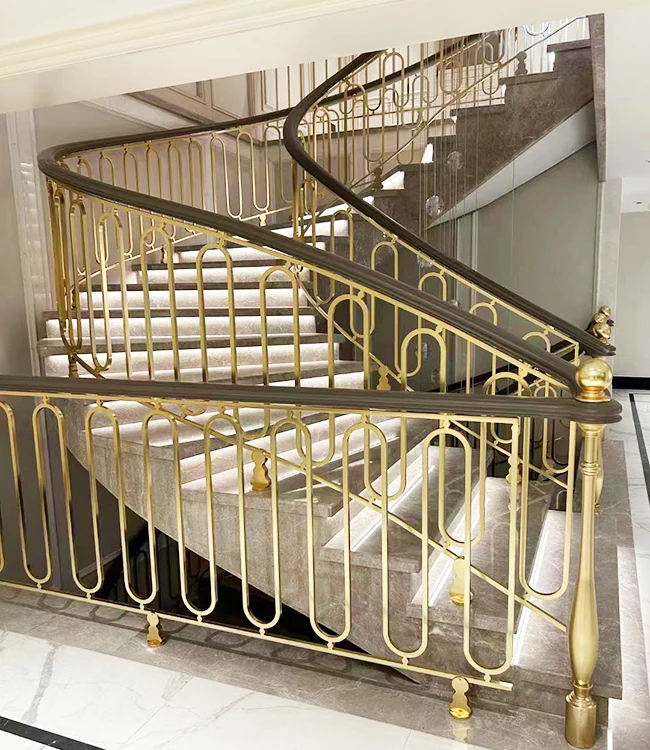
Physical vapor deposition (PVD) is one method used to create decorative colored coatings on stainless steel. Available appearances may include gold, black, bronze, and other metallic tones, depending on the manufacturing process.

When specifying a colored finish, buyers should confirm the coating process, expected appearance, cleaning recommendations, and suitability for the intended environment.

Design tip: Request actual finish samples before approving a large production order. Screen appearance can vary with lighting, viewing angle, surface texture, and surrounding materials.

5. How Do Partition Screens Improve Space Functionality?

Partition screens are not simply decorative metal panels. When correctly designed, they help organize traffic flow, define activity areas, and improve the usability of commercial interiors.

Office Environments

In open-plan offices, screens can visually separate reception desks, meeting areas, waiting spaces, and shared work zones. Unlike full-height solid walls, open-pattern screens can preserve a sense of connection across the workplace.

Hotels and Hospitality Projects

Hotels frequently need to distinguish entrance areas, lounge spaces, restaurant seating, and guest circulation routes. Decorative stainless steel partitions can provide visual structure while supporting a consistent interior design theme.

Restaurants and Retail Spaces

Restaurants may use screens to separate dining areas or provide partial privacy between tables. Retail environments can use them to define display zones and create more organized customer pathways.

Public and Commercial Buildings

In larger facilities, screens can help organize entrances, waiting areas, and interior circulation zones. For these applications, buyers should also consider stability, impact exposure, accessibility, and applicable building requirements.

Application Main Requirement Recommended Design Direction
Office Professional appearance and zone separation Minimalist or geometric
Hotel Decorative impact and refined finishes Custom laser-cut or colored screens
Restaurant Partial privacy and easy maintenance Openwork or linear designs
Retail Visual merchandising and space organization Contemporary decorative patterns
Public Building Stability and suitable circulation planning Structurally supported panel systems

6. Which Factors Matter When Customizing a Screen?

Standard products may not always match the dimensions, architectural layout, or visual requirements of a particular project. Custom manufacturing allows buyers to specify details according to the actual installation conditions.

Panel Dimensions and Thickness

Overall height, width, panel thickness, and support structure should be determined according to the screen size and expected service conditions. Larger panels may require additional reinforcement or intermediate supports to limit vibration and deformation.

Pattern and Opening Size

The pattern determines how much visibility, airflow, and light transmission the screen provides. Larger openings generally create a more open appearance, while denser patterns provide greater visual separation.

Mounting and Frame Structure

Depending on the project, panels may be supported by floor-mounted posts, wall brackets, frames, or other fixing systems. The supporting structure must be compatible with the building substrate and the expected loads.

Drawing and Sample Confirmation

For customized orders, technical drawings are essential. Buyers should confirm the following details before production:

  • Overall panel dimensions and installation measurements.
  • Stainless steel grade and material thickness.
  • Pattern layout and opening dimensions.
  • Surface finish and color requirements.
  • Edge treatment, frame structure, and mounting details.
  • Quantity, packaging, and delivery requirements.

Procurement recommendation: Share architectural drawings, reference photographs, and installation measurements with the manufacturer at the quotation stage. Clear technical information helps reduce repeated revisions, production delays, and installation problems.

7. How Should You Plan Installation?

Even a well-manufactured partition screen can cause problems if site conditions and installation details are not considered early. Proper planning helps ensure that panels fit correctly and remain stable during everyday use.

Step-by-Step Installation Planning

  1. Measure the installation area.
    Record the available width, height, floor level, wall conditions, and nearby architectural features.
  2. Check the supporting surface.
    Determine whether the floor, wall, or ceiling can accommodate the proposed fixing system and loads.
  3. Confirm the panel layout.
    Review panel orientation, spacing, joint positions, and access requirements before fabrication.
  4. Verify fixing components.
    Check brackets, anchors, posts, fasteners, and other mounting accessories for compatibility with the installation substrate.
  5. Inspect the finished installation.
    Check alignment, stability, sharp edges, surface condition, and connection points.

Safety and Building Considerations

Partition screens installed in public or commercial buildings may need to meet local requirements for structural stability, fire performance, accessibility, and safe circulation. Requirements vary by jurisdiction and application, so project teams should consult qualified designers and local building professionals.

Where screens are installed in high-traffic locations, additional attention should be paid to edge finishing, fixing strength, and potential impact loads.

8. How Can You Maintain Stainless Steel Partition Screens?

Stainless steel is relatively easy to maintain, but it is not completely maintenance-free. Appropriate cleaning practices help preserve the finish and prevent surface contamination from developing into more serious problems.

Routine Cleaning

  • Use a soft microfiber cloth for regular dust removal.
  • Clean with warm water and a mild, suitable detergent when necessary.
  • Wipe in the direction of the brushed grain where applicable.
  • Rinse away cleaning residues and dry the surface to reduce water marks.

Prevent Surface Damage

Avoid steel wool, abrasive scouring pads, and harsh cleaning tools that may scratch the surface. Chloride-containing cleaners and unsuitable chemicals can damage stainless steel, particularly if residues remain on the surface.

Inspect Fixings and Connections

For freestanding or large partition systems, periodically check the brackets, anchors, fasteners, and joints. Loose connections should be addressed promptly to maintain stability.

Maintenance Checklist

Maintenance Task Purpose Recommended Approach
Dust removal Maintain a clean appearance Soft microfiber cloth
Surface washing Remove fingerprints and dirt Mild detergent and clean water
Surface inspection Identify scratches or staining Visual inspection
Connection inspection Maintain structural stability Check brackets and fasteners

9. Common Purchasing Mistakes to Avoid

Choosing a stainless steel partition screen involves several technical and aesthetic considerations. Overlooking important details during procurement can increase project costs and create unnecessary installation difficulties.

Mistake 1: Choosing Materials Based Only on Price

A lower initial quotation does not always represent better long-term value. Material grade, thickness, finishing quality, fabrication accuracy, and environmental suitability should all be considered when comparing suppliers.

Mistake 2: Ignoring the Actual Installation Environment

A screen designed for a dry indoor office may not be suitable for a coastal or chemically exposed location. Always communicate the installation environment before confirming the material specification.

Mistake 3: Overlooking Structural Support

Large decorative panels can require additional framing and reinforcement. Confirm how the panels will be supported rather than focusing exclusively on the visible design.

Mistake 4: Approving Production Without Reviewing Drawings

Incomplete dimensions or unclear pattern specifications can result in mismatched panels. Approve technical drawings and finish samples before mass production whenever possible.

Mistake 5: Comparing Quotations Without Checking Scope

Two quotations may include different materials, finishes, accessories, packaging, or installation responsibilities. Compare the full specifications to understand the actual value offered by each manufacturer.

10. Frequently Asked Questions

Q1. What is a stainless steel partition screen used for?

A stainless steel partition screen is used to divide interior spaces, improve visual privacy, organize functional areas, and add decorative architectural features. Common applications include offices, hotels, restaurants, retail stores, and public buildings.

Q2. Is 304 stainless steel suitable for partition screens?

Yes. Grade 304 is commonly suitable for many general indoor decorative and commercial applications because of its good corrosion resistance and mechanical properties. More demanding environments may require another grade, such as 316.

Q3. Can stainless steel partition screens be customized?

Yes. Many manufacturers offer customized dimensions, panel thicknesses, patterns, surface finishes, colors, and mounting configurations. Customization should be confirmed against technical drawings and project requirements.

Q4. Do stainless steel partition screens block natural light?

Not necessarily. Openwork, perforated, and laser-cut designs allow light to pass through the panel. The amount of light transmission depends on the opening size, pattern density, and overall panel configuration.

Q5. Are stainless steel screens suitable for outdoor use?

They can be suitable for certain outdoor applications when the material grade, finish, fabrication details, and mounting system are selected for the exposure conditions. Coastal and high-pollution environments require particular attention to corrosion resistance and maintenance.

Q6. Which finish is easiest to maintain?

Brushed and some matte finishes can be practical choices because they tend to make minor marks less noticeable than highly reflective mirror finishes. Actual maintenance requirements depend on the finish, location, and level of use.

Q7. How do I choose the right panel thickness?

Panel thickness should be determined by the panel dimensions, pattern design, support spacing, expected impact exposure, and structural requirements. A qualified manufacturer or project engineer can help evaluate the appropriate specification.

Q8. What information should I provide when requesting a quotation?

Provide the required dimensions, quantity, material grade, thickness, finish, pattern reference, installation location, and any available technical drawings. These details help manufacturers prepare a more accurate quotation.

Q9. Can stainless steel partition screens be used in hotels and restaurants?

Yes. They are widely suitable for decorative zoning, reception areas, dining spaces, waiting areas, and other interior applications. The design should match the project's privacy, safety, durability, and cleaning requirements.

Q10. What should I check before placing a bulk order?

Confirm material specifications, dimensions, finish samples, approved drawings, fabrication tolerances, packaging, delivery arrangements, and quality inspection requirements. Clear agreement on these details helps avoid costly misunderstandings.

11. Final Thoughts: Building Better Interiors with Stainless Steel

A well-selected stainless steel partition screen can do much more than separate two areas. It can improve interior organization, introduce distinctive architectural details, maintain visual openness, and provide a durable solution for demanding commercial projects.

The best results come from balancing appearance with practical requirements. Buyers should carefully evaluate stainless steel grades, surface finishes, panel dimensions, pattern density, structural support, and installation conditions before making a final decision.

For architects, contractors, distributors, and project procurement teams, working with an experienced metal manufacturer is an important part of achieving consistent product quality and reliable project coordination.

Looking for a Reliable Stainless Steel Partition Screen Manufacturer?

Foshan Nante Metal Manufacture Co., Ltd. welcomes inquiries from architects, contractors, distributors, and commercial project buyers seeking stainless steel decorative metal solutions.

Whether you need customized dimensions, decorative patterns, specific surface finishes, or project-based manufacturing support, contact us to discuss your requirements and explore a suitable solution for your next project.

Contact Us
```
Related News
Leave me a message
X
We use cookies to offer you a better browsing experience, analyze site traffic and personalize content. By using this site, you agree to our use of cookies. Privacy Policy
RejectAccept